
Copernicia
Copernicia
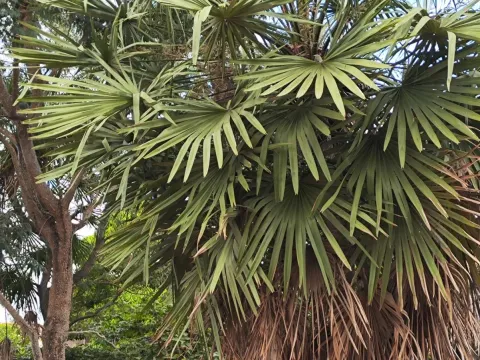
Copernicia is a genus of palm trees in the family Arecaceae. These plants are widely recognized for their economic importance as the primary biological source of carnauba wax, which coats their leaves.
What the section contains
 Carnauba wax palm
Copernicia alba
Carnauba wax palm
Copernicia alba
 Carnauba wax palm
Copernicia prunifera
Carnauba wax palm
Copernicia prunifera
 Copernicia baileyana
Copernicia baileyana
Copernicia baileyana
 Copernicia ekmanii
Copernicia ekmanii
Copernicia ekmanii
 Copernicia fallaensis
Copernicia fallaensis
Copernicia fallaensis
 Copernicia glabrescens
Copernicia glabrescens
Copernicia glabrescens
 Copernicia hospita
Copernicia hospita
Copernicia hospita
 Copernicia rigida
Copernicia rigida
Copernicia rigida
 Copernicia yarey
Copernicia yarey
Copernicia yarey
 Cuban petticoat palm
Copernicia macroglossa
Cuban petticoat palm
Copernicia macroglossa
Copernicia
Native to South America, particularly Brazil, these palms thrive in tropical climates. They have developed a high tolerance for varying water levels, often growing in regions that experience alternating wet and dry seasonal patterns.
The cultivation of Copernicia requires high solar radiation and consistently warm temperatures. Frost is a major limiting factor, effectively confining the commercial cultivation of these palms to tropical or subtropical zones.
Regarding soil, these palms are versatile but perform best in deep, well-draining soils. They demonstrate a remarkable ability to survive in environments where seasonal flooding restricts the growth of other agricultural species.
Effective agrotechnical management involves regular thinning of the plant density to ensure optimal photosynthesis and leaf development, which directly correlates with the quality and quantity of the wax layer produced.
The harvest cycle centers on the collection of the palm leaves during the dry season. Manual harvesting techniques are carefully practiced to ensure the palm continues to produce new foliage during the subsequent growing season.
Following harvest, the leaves are spread out to dry under direct sunlight. This dehydration process causes the wax on the leaf surface to harden and flake off, allowing for an efficient collection of the crude product.
After being detached from the leaves, the raw wax undergoes refining processes including melting, filtering, and bleaching. This results in the final commercial product known globally as carnauba wax.
Carnauba wax is prized for its high melting point and hardness, serving critical roles in the production of automotive waxes, confectionery coatings, pharmaceutical tablet coatings, and cosmetic formulations.
In addition to wax production, the stems and timber of Copernicia are utilized in regional construction. The wood's high density makes it highly resistant to rot and pest infestation, providing a durable material for local infrastructure.