
Copernicia hospita
Copernicia hospita
Description
Growing requirements
Copernicia hospita is a slow-growing evergreen palm belonging to the Arecaceae family. This species is native to Cuba and is recognized for its high adaptability to the specific environmental conditions of island ecosystems.
The crop thrives in sunny, open locations with excellent drainage. While it can withstand short periods of drought, it requires consistently high temperatures and adequate atmospheric humidity to maintain vigorous growth.
Soil preferences include light, sandy, or loamy substrates with a neutral to slightly alkaline pH. The plant is extremely sensitive to waterlogging in the root zone, making strict control of groundwater levels essential for successful cultivation.
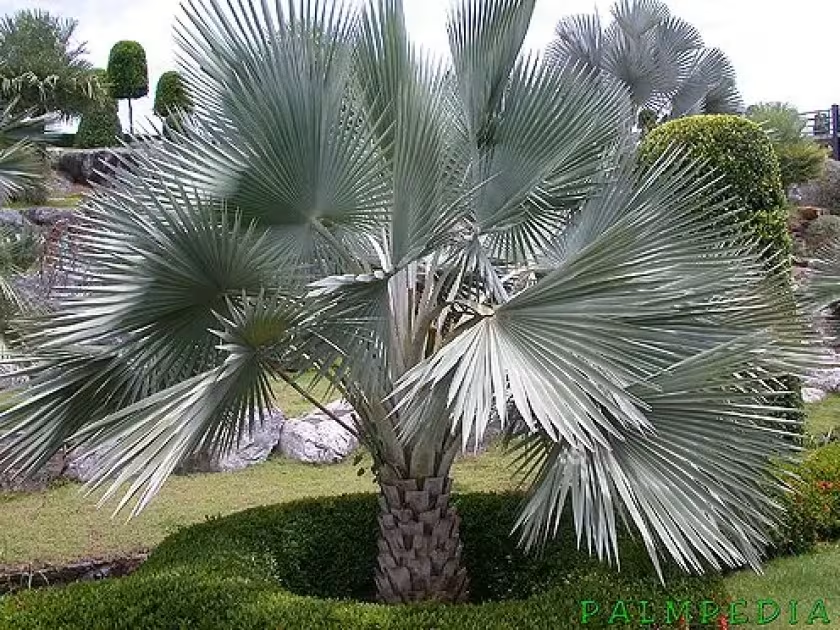
Botanically, the species is distinguished by its rigid, fan-shaped leaves coated in a characteristic waxy bloom. The trunk is armored with the bases of old leaf stalks, providing a unique texture that protects the core from overheating and physical damage.
The industrial value of this crop lies in its ability to accumulate valuable Carnauba-type wax on the surface of its leaves. This natural substance is widely used in the cosmetics, food, and pharmaceutical industries globally.
Main diseases and pests
Primary threats to plantations include fungal diseases that flourish in conditions of poor air circulation or excessive moisture. Regular sanitation and pruning of infected fronds are necessary to reduce the risk of pathogen spread.
Among pests, scale insects and mealybugs pose the greatest threat. These insects feed on the leaf sap, leading to the deformation of leaf plates and a significant reduction in total wax yield.
Young specimens are often susceptible to palm weevils, which can destroy the apical meristem of the plant. Agronomic protection involves the application of systemic insecticides and regular inspection of the trunk.
Nutrient deficiencies, particularly involving magnesium and potassium, can result in leaf chlorosis. Consistent fertilization with micronutrients is vital to maintain the physiological health of the palm stand.
In its native habitat, extreme weather events such as tropical storms and hurricanes can compromise the crown's integrity, negatively impacting photosynthesis and the natural process of wax production.