
Copernicia glabrescens
Copernicia glabrescens
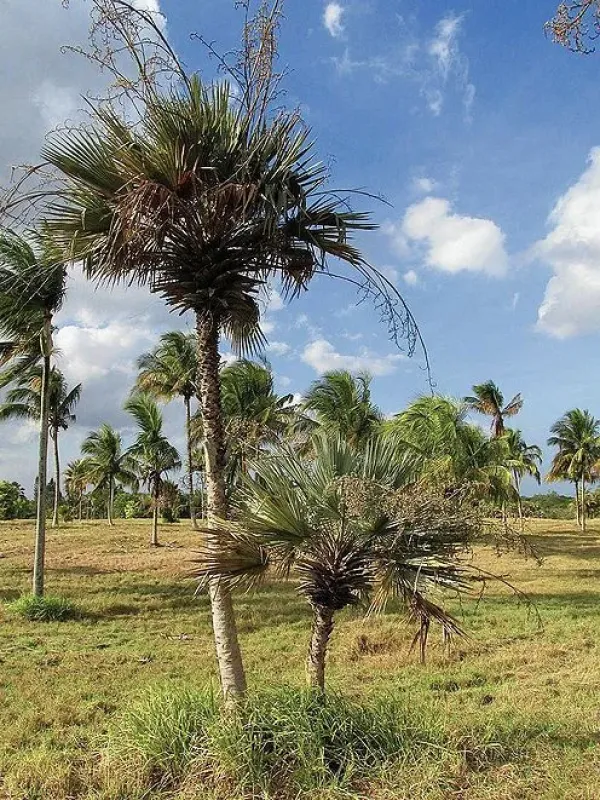
Description
Growing requirements
The species has a strict requirement for full solar exposure. It is a light-demanding plant, and providing ample, direct sunlight is essential for maintaining vigorous growth and optimizing the synthesis of the valuable wax layer on the foliage.
Temperature range is a critical factor, with the palm thriving best in conditions between +22°C and +32°C. Being a tropical endemic, it lacks frost tolerance, and sustained temperatures below +10°C will significantly impede the biological activity of the plant.
Soil quality must prioritize excellent drainage. The plant is well-adapted to limestone-rich soils. Ensuring that the rhizosphere remains aerated and free from waterlogging is vital, as the root system is highly susceptible to fungal decay in stagnant, overly moist substrates.
Although adapted to dry conditions, the plant requires consistent, though moderate, moisture during the initial development phase. Irrigation should be managed carefully to avoid excessive moisture, which can disrupt the plant's natural adaptation to periodic droughts.
Standard agrotechnical management includes keeping the plantation area clear of competing invasive weeds and periodic application of micronutrients, specifically magnesium and potassium, which support the overall health and rigidity of the palm structure.
Harvesting
The harvesting of Copernicia glabrescens focuses on the selective removal of mature leaves. This process is ideally scheduled during the peak of the dry season when the accumulation of wax on the leaf surface is at its highest concentration.
Harvesters must exercise caution to ensure that the growing point (meristem) of the palm remains undamaged. Proper cutting techniques ensure the plant continues to produce new foliage, allowing for sustainable, repeated harvests over many years.
Once gathered, leaves are dried thoroughly under the sun. This drying phase is crucial as it hardens the wax, making the subsequent removal process significantly more efficient and reducing the presence of moisture-related impurities.
Mechanical stripping or brushing is employed to extract the wax powder from the leaves. This is followed by a controlled melting and filtration process to remove any remaining vegetable fiber or organic contaminants, resulting in a refined commercial-grade product.
The remaining leaf fiber after wax extraction acts as a valuable byproduct, frequently repurposed as organic mulch or compost, reinforcing the efficiency of the production cycle within the palm plantation ecosystem.