
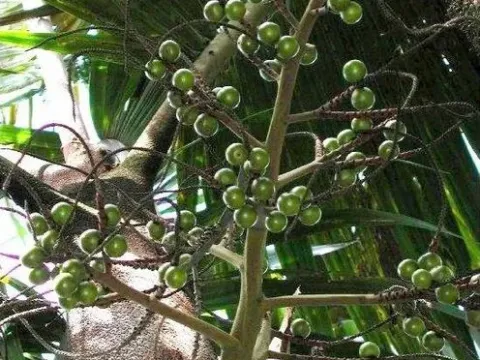
Clinosperma
Clinosperma
Clinosperma is a genus of flowering plants in the Arecaceae family, primarily native to the unique ecosystems of New Caledonia. These palms are prized for their elegant structure and botanical rarity in cultivation.
What the section contains

Clinosperma
The culture thrives in tropical conditions characterized by consistent warmth and high humidity. It is essential to maintain temperatures between 22 and 28 degrees Celsius for optimal growth and development.
Soil requirements involve a well-draining, nutrient-rich substrate, preferably enriched with organic matter. Proper aeration of the root zone is crucial to prevent the development of root rot and other moisture-related pathologies.
Regarding light, Clinosperma prefers bright, filtered sunlight. Exposure to direct midday sun can be detrimental, leading to chlorosis or scorched foliage, especially in young plants that are not yet acclimated.
Irrigation management is a critical skill for growers. Water should be applied only when the top layer of the soil has dried sufficiently, ensuring that the roots are never left in a waterlogged environment.
Common threats to Clinosperma include fungal infections, particularly those triggered by poor ventilation and excessive moisture. Root rot is the most significant danger, often resulting from improper soil structure.
Pests such as spider mites and scale insects are frequent issues in controlled environments. These organisms thrive in dry conditions and can quickly compromise the health of the palm by draining sap.
Mealybugs can also infest the plant, hiding in the junctions of leaf bases. Frequent monitoring and cleaning of these areas are essential to prevent the spread of these resilient sap-sucking pests.
Bacterial leaf spots can occur if the foliage remains wet for prolonged periods. Ensuring good airflow around the canopy helps in drying the leaves after irrigation, which significantly reduces the risk of infection.
Nutrient deficiencies, specifically a lack of magnesium or iron, can manifest as yellowing leaves. Using high-quality palm-specific fertilizers helps prevent these issues and maintains the plant's health.