
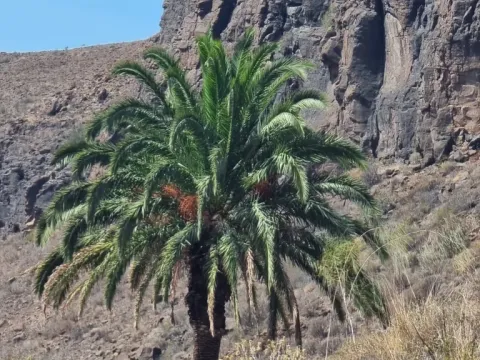
Date palm
Phoenix L.
In commercial operations, date palm propagation is primarily carried out vegetatively using offshoots (pups) detached from the parent tree at 3–5 years of age. This method ensures that the offspring retain the exact genetic and phenotypic characteristics of the mother palm.
What the section contains


Date palm
Seed-based propagation is used for breeding new varieties, involving sowing in well-drained substrate at temperatures between 25 and 28 degrees Celsius. Seeds are often scarified or soaked in warm water to break dormancy and accelerate the lengthy germination process.
Proper root development for new offshoots requires consistent warmth and controlled humidity. Young plants are sensitive to intense direct sunlight during their first year and benefit from partial shading until the root system is well-established.
In natural habitats, planting often aligns with the onset of the rainy season to capitalize on natural moisture. In intensive modern orchards, drip irrigation systems provide the necessary water management for saplings to survive and thrive during the establishment phase.
Orchard density typically ranges from 100 to 150 trees per hectare depending on the variety and local soil fertility. Proper spacing is essential to facilitate canopy aeration and maximize sunlight penetration for each individual palm tree.
The date palm belongs to the Arecaceae family and is perfectly adapted to the hot, arid environments of tropical and subtropical desert regions. The plant is remarkably heat-tolerant, capable of withstanding temperatures exceeding 45 degrees Celsius.
Productive fruiting requires a high sum of active temperatures and intense solar radiation throughout the growing season. The crop is highly sensitive to excessive humidity, which can lead to fruit rot and the proliferation of various fungal pathogens.
Soil requirements focus on excellent drainage, as waterlogging is lethal to the palm's root system. The date palm exhibits notable salt tolerance, allowing it to grow in soil conditions that would be unsuitable for many other agricultural fruit crops.
The root system is capable of mining deep soil horizons for moisture. Effective cultivation requires a balanced nutrient program, particularly phosphorus and potassium, to support fruit development, sugar content, and overall plant vigor.
Being a dioecious species, orchards require both male and female trees for fertilization. Commercial growers practice artificial pollination by applying male pollen to female inflorescences, ensuring consistent fruit set and maximizing yield potential.
Date palms typically enter their productive phase between 5 and 8 years after planting. A healthy, mature tree can remain economically viable for up to 60–80 years, providing stable annual yields under proper management.
Individual palm yields in intensive setups average between 60 to 150 kilograms per tree. Bunch thinning is a critical agronomic practice used to prevent biennial bearing and ensure that remaining fruits achieve optimal size and quality.
The final harvest volume is highly dependent on effective pollination and water availability during the early fruit formation stages. Unseasonal cold or rainfall during the flowering period can significantly reduce fruit set and harvestable output.
Selecting the right variety is essential, as maturation times vary significantly. Producers often select a mix of early, mid-season, and late-maturing varieties to extend the harvest window and optimize labor distribution in the orchard.
Canopy maintenance, including the removal of old fronds and strategic thinning of flower clusters, directs energy toward fruit maturation. These cultural practices are vital for maintaining the tree’s health and preventing the exhaustion associated with heavy fruiting.
The Red Palm Weevil is arguably the most destructive pest globally, as larvae tunnel into the trunk and cause internal structural collapse. Early detection is difficult, and infestations often lead to the total loss of the palm if not treated immediately.
Fungal diseases like Fusarium wilt occur when irrigation practices are poor or when trees are stressed by adverse environmental conditions. Integrated pest management, including sanitary pruning and proper sanitation, is essential for mitigating disease risks.
Palm mites pose a significant threat by feeding on the epidermis of leaves and fruits, resulting in reduced quality and market value. Regular monitoring and the application of targeted acaricides are common control measures in commercial settings.
Mealybugs often congregate in leaf bases, siphoning plant sap and fostering sooty mold growth. Routine cleaning of the trunk and removal of dead frond bases effectively reduces the micro-habitats where these pests typically thrive.
Strict quarantine measures are required when moving planting materials to prevent the further spread of destructive weevil populations. Pheromone-based trapping systems are currently the industry standard for monitoring and managing pest populations in large-scale orchards.
Harvesting dates is a meticulous process that requires timing the collection to match specific maturity stages: khalal (crisp, colorful), rutab (soft, syrupy), or tamr (fully cured and dried).
Due to the height of the palms, harvest is almost exclusively performed by hand using extension ladders or hydraulic lifting platforms. Careful handling is required to prevent mechanical damage to the delicate fruits.
Post-harvest, the dates are sorted by weight, color, and moisture content. Some varieties require post-harvest curing in climate-controlled rooms to reduce humidity to safe storage levels and prevent fermentation.
Farmers often use mesh bags to cover fruit bunches prior to ripening, which provides protection from birds, insects, and high-wind loss. This method ensures that the fruit remains clean and high-quality until it is ready to be detached.
Final processing includes cleaning, fumigation, and rigorous packaging protocols. Maintaining an appropriate cold chain during transport is vital to preserving the flavor profile and nutritional properties of the dates for export markets.