
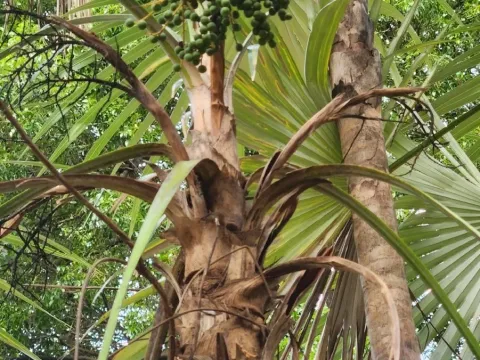
Coccothrinax
Coccothrinax
Coccothrinax is a genus of evergreen palms belonging to the Arecaceae family, comprising over 50 species. These palms are native to the Caribbean, Mexico, and Central America, where they typically thrive in limestone soils and rocky outcrops.
What the section contains


Coccothrinax
Successful cultivation requires bright, indirect light. While mature plants can tolerate full sun, young specimens should be shaded during peak afternoon hours to prevent leaf scorching and maintain healthy foliage.
The ideal temperature for this genus ranges between 20–28 degrees Celsius. Coccothrinax is sensitive to low temperatures and drafts, making it better suited for greenhouse or indoor container cultivation in temperate climates.
The growing medium must be highly porous with excellent drainage capabilities. A mixture of loamy soil, organic humus, and coarse sand is recommended to ensure that water does not accumulate around the root system.
Irrigation should be consistent but moderate. The surface of the soil must be allowed to dry out between watering sessions to avoid root asphyxiation, which can lead to quick decline of the plant.
The primary economic and aesthetic use of Coccothrinax is in landscape architecture and interior design. These palms are highly valued as ornamental specimens in botanical gardens and tropical urban environments.
In traditional local industries, the tough fibers extracted from the leaves are utilized for weaving handicrafts, including hats, baskets, and mats. These practices represent a sustainable use of native plant resources.
The species is not cultivated for agricultural food production. However, the small berries produced by these palms play a vital ecological role by providing a crucial food source for indigenous bird species in their habitats.
Propagation is strictly through seed germination. Since the seeds lose viability quickly, they should be sown shortly after collection in a warm, humid environment to ensure a successful sprouting rate.
Landscape professionals appreciate this plant for its slow growth habit, which allows for stable designs in both private gardens and public spaces, provided that the soil conditions match their natural requirements.
Common pests that infest Coccothrinax include spider mites and scale insects, especially in environments with low air humidity. Regular leaf cleaning and moisture control are essential for prevention.
Root rot is a major threat caused by fungal pathogens under wet and poorly ventilated conditions. Prevention involves strict irrigation management and the use of sterile, well-draining potting substrates.
Leaf spot diseases can occur if the plant is kept in high-humidity areas with poor airflow. Removing affected leaves and applying suitable fungicidal treatments can help mitigate the spread of these infections.
Mealybugs can also pose a risk by colonizing the leaf bases and stems. Using targeted systemic insecticides is often the most effective method for eradicating these stubborn infestations without harming the palm.
Maintaining a clean and hygienic growing environment is crucial for overall plant health. Quarantine protocols for newly acquired plants are recommended to prevent the introduction of common palm-related pests.