
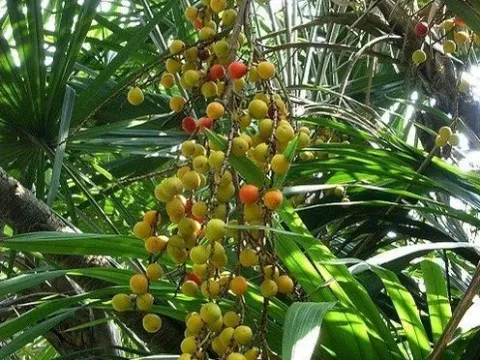
Chuniophoenix
Chuniophoenix
Chuniophoenix is a genus of rare, elegant palms belonging to the Arecaceae family. Native to the lush forests of Southern China and Vietnam, these plants have adapted to high-humidity environments and filtered light conditions, making them prized for their unique aesthetic.
What the section contains

Chuniophoenix
Successful cultivation requires a well-draining, nutrient-rich potting medium. A mix containing peat, perlite, and pine bark is ideal to mimic the natural floor environment, ensuring that the root system receives adequate aeration while retaining necessary moisture.
Temperature management is vital; these palms thrive in consistent, warm conditions. They do not tolerate cold drafts or sudden thermal shocks, which can cause significant damage to the foliage and shock the plant’s metabolism, leading to stunted growth.
Light requirements for Chuniophoenix are specific: they prefer bright, indirect sunlight. Exposure to harsh afternoon sun should be strictly avoided as it causes irreversible damage to the leaves, leading to unsightly brown patches and a loss of the plant's decorative value.
Watering frequency should be adjusted according to seasonal changes and ambient humidity levels. During the active growing season, keep the soil consistently moist but never waterlogged; in winter, allow the top layer of soil to dry slightly between applications to protect roots.
Spider mites are the most common pest challenge for Chuniophoenix in indoor or greenhouse conditions. They thrive in dry air, so maintaining a high humidity level is the best natural defense against infestation and foliage damage.
Mealybugs can also pose a threat, often nesting in the tight spaces between leaf bases. Regular monitoring and manual cleaning, combined with the application of horticultural oils or systemic insecticides, are necessary to maintain a healthy specimen.
Root rot is a critical threat typically triggered by poor drainage or overwatering. This condition is often fatal if not caught early, highlighting the importance of using high-quality porous containers and specialized soil mixes designed for moisture-sensitive palms.
Nutritional deficiencies often show as yellowing leaves or chlorosis. Consistent fertilization with a balanced, slow-release palm-specific fertilizer helps prevent these issues and ensures the plant remains vibrant throughout its vegetative growth cycle.
Fungal leaf spots can develop if the foliage remains wet for extended periods in poorly ventilated areas. Ensuring good air circulation around the canopy helps prevent the buildup of moisture that leads to pathogenic fungal growth on the leaves.