
Copernicia fallaensis
Copernicia fallaensis
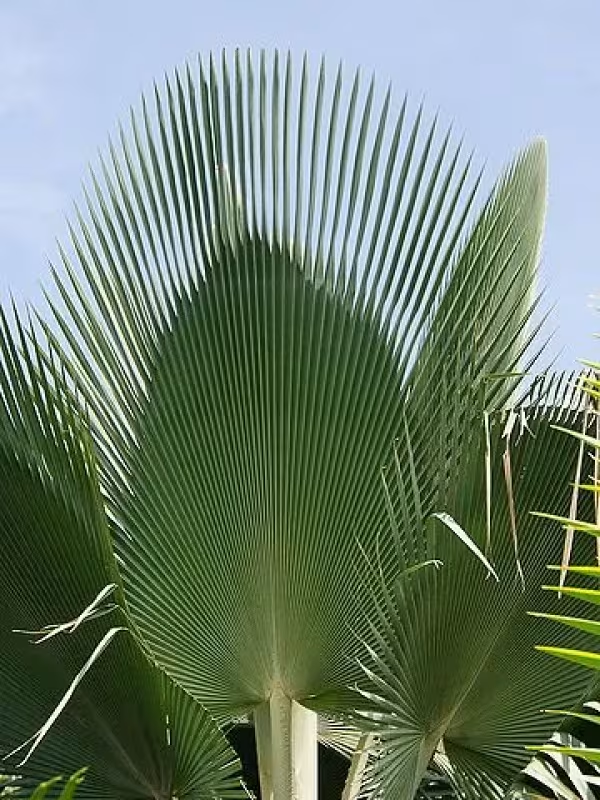
Description
Growing requirements
Copernicia fallaensis is a striking member of the Arecaceae family, highly valued for its massive stature and architectural beauty. Native exclusively to the central regions of Cuba, this palm is considered a masterpiece of the island's unique tropical biodiversity.
The climate requirements for this species are strict, demanding warm tropical temperatures throughout the year. It thrives in open savannah conditions where it can receive direct, unfiltered sunlight for the majority of the day, which is essential for developing its robust trunk.
Regarding soil, it prefers well-draining substrates that mimic the limestone or clay-based soils of its natural habitat. While the plant shows remarkable resilience once established, consistent moisture management is key during the seedling stage to avoid root desiccation.
Botanically, this palm is distinguished by its remarkably smooth, pale-colored trunk and stiff, glaucous, fan-shaped leaves. Its slow growth rate is a trade-off for its immense longevity and structural integrity, making it a highly prized specimen in botanical collections.
Proper agricultural practice focuses on minimizing root disturbance and ensuring adequate airflow around the crown. Given its size, spacing is crucial if planting in groups to ensure each individual specimen has enough room for canopy expansion.
Main diseases and pests
Common pests affecting this species include scale insects, which often congregate on the undersides of the leaves. These can weaken the plant by feeding on sap, and if left unchecked, they may lead to secondary fungal infections.
The palm weevil is another potential threat, as it can bore into the meristematic tissue of the plant. Early detection through regular visual inspections of the crown is the most effective strategy to safeguard the health of the palm.
Fungal pathogens such as leaf spot can occur during periods of prolonged high humidity combined with poor air circulation. To manage this, it is recommended to maintain a clean environment around the base of the tree and avoid overhead watering.
In addition to these, nutrient deficiencies can manifest as chlorosis on the leaves, which requires balanced fertilization with micronutrients specific to palm health. Applying fertilizer in the active growth season is generally recommended.
Finally, protective measures against extreme weather, such as heavy tropical storms, should be considered for younger palms. Protecting the structural integrity of the palm ensures it continues to grow effectively in its chosen landscape.