
Copernicia baileyana
Copernicia baileyana
Description
Growing requirements
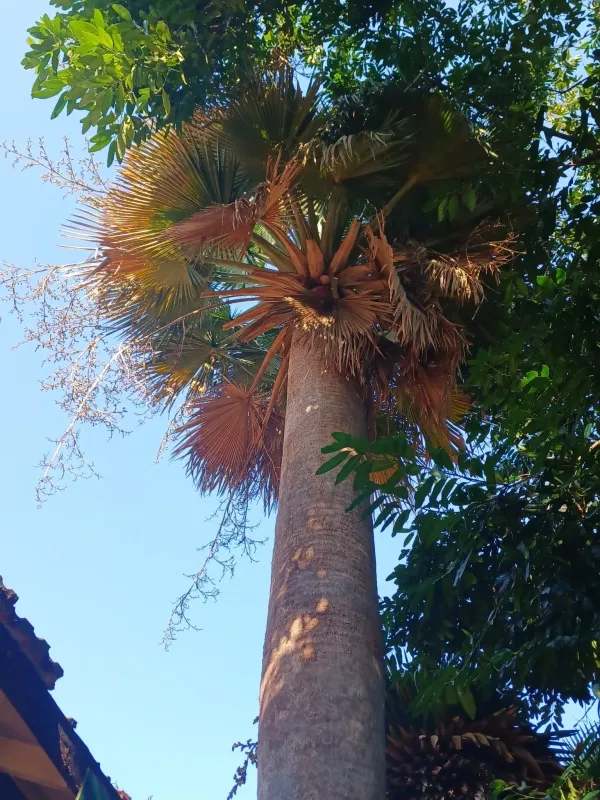
Copernicia baileyana is a remarkable palm species belonging to the Arecaceae family. Native to the central regions of Cuba, this palm is widely recognized for its robust, swollen trunk and large, fan-shaped leaves, which make it a prized ornamental specimen.
The cultivation of this palm requires a tropical climate characterized by high temperatures and abundant sunlight. It performs best in full sun exposure, which is essential for maintaining the health of the foliage and promoting optimal growth rates.
Regarding soil requirements, this species thrives in well-drained, porous soils. While it is tolerant of various substrates, including lime-rich soils common in its natural habitat, it is strictly sensitive to waterlogged conditions that can cause root rot.
Water management is critical during the initial establishment phase of the palm. Once mature, Copernicia baileyana demonstrates significant drought tolerance, allowing it to survive through dry seasons with minimal supplemental irrigation.
Proper agricultural practices include providing adequate space for root development and routine care of the trunk. As the palm matures, it sheds its lower leaves, and cleaning the trunk of remaining leaf bases can enhance its aesthetic appeal.
Main diseases and pests
While generally robust, the palm can be susceptible to various pests, including scale insects and mealybugs. Regular inspections of the undersides of leaves and the crown area are recommended to identify infestations early.
Fungal diseases related to high humidity and poor air circulation can impact the foliage. Ensuring adequate spacing between planted specimens helps to mitigate the risk of pathogen buildup and improves overall plant vigor.
Harvesting
The primary use of Copernicia baileyana is landscape architecture, where it is often featured as a specimen tree in botanical gardens and luxury estates. Its unique structural architecture makes it a focal point in any garden design.
In some regions, the leaves of Copernicia species are harvested for crafting fiber-based goods. While C. baileyana is primarily ornamental, its foliage shares the durability found in other members of the genus, suitable for specialized weaving projects.
Propagation is primarily through seeds. Germination success is highest when seeds are planted fresh in a well-draining, warm, and humid environment. The process requires consistency, as the seedlings develop at a relatively slow pace.
Post-harvest care of leaves or maintenance pruning should focus on the removal of dead tissue to avoid attracting secondary pests. Careful pruning ensures that the growth point of the palm remains protected from physical damage.
Ultimately, the long-term success of this palm relies on selecting a permanent site. Given its slow growth and impressive size at maturity, providing sufficient space is the most important factor for its long-term agricultural and landscape integration.