
Copernicia rigida
Copernicia rigida
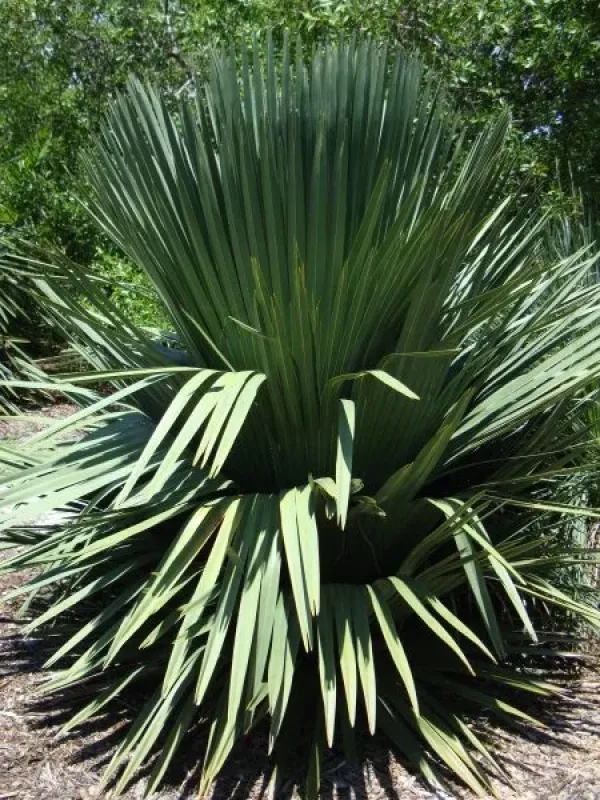
Description
Growing requirements
Copernicia rigida is a distinct species of palm tree belonging to the Arecaceae family, native to specific regions of Cuba where it thrives in open landscapes.
The plant is biologically optimized for arid, rocky soils and exhibits high tolerance to environmental stressors such as intense heat and prolonged dry periods.
In terms of light requirements, this palm demands full sun exposure to maintain its characteristic rigidity and to stimulate the production of leaf-surface wax.
Soil drainage is the most critical factor for successful cultivation; the species cannot tolerate waterlogged conditions, which lead to rapid root decay.
Growth is typically slow, which is characteristic of many palm species adapted to nutrient-poor environments, making it a plant that requires patience and minimal disturbance.
Harvesting
The commercial significance of Copernicia rigida lies in its ability to produce a high-quality, hard vegetable wax extracted from the leaf surfaces.
Harvesting involves carefully harvesting mature fronds that have developed a sufficient layer of wax, ensuring that the plant remains healthy for future growth.
Once collected, the leaves are dried and processed through mechanical agitation to dislodge the wax particles, which are then refined for industrial application.
This palm wax is highly valued in various sectors, including the food industry, pharmaceuticals, and high-end cosmetic formulations due to its high melting point.
Sustainable harvesting practices are essential to ensure the longevity of the palm populations, as improper cutting techniques can permanently stunt the plant's development.