
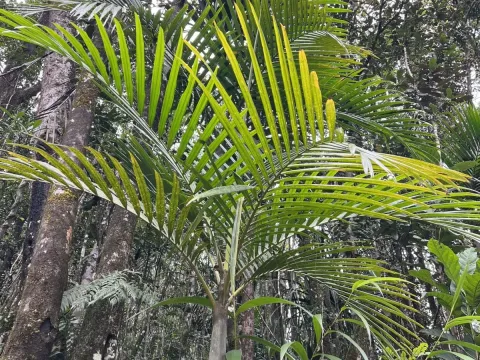
Cyphokentia
Cyphokentia
Cyphokentia is a genus of rare tropical palms belonging to the family Arecaceae. These plants are native to the archipelago of New Caledonia, where they grow in unique, humid forest habitats that provide steady protection from harsh weather conditions.
What the section contains

Cyphokentia
Botanically, these palms are known for their elegant structure and pinnate leaves. They typically thrive in the understory of tropical forests, meaning they are adapted to low-to-moderate light intensity and high ambient humidity levels throughout the year.
For cultivation, providing a well-draining, nutrient-rich substrate is essential. The soil should remain consistently moist but never waterlogged, as the roots are highly susceptible to rot if the medium becomes anaerobic or stagnant.
Temperature management is a primary challenge, as Cyphokentia is strictly a tropical plant. It requires consistent temperatures between 22 and 28 degrees Celsius; even minor exposure to cold, let alone frost, can cause irreversible damage to the plant's tissues.
The primary use of this genus is in ornamental horticulture, specifically for specialized botanical collections and professional greenhouses. Because of their slow growth rate and exotic aesthetic, they are highly prized by collectors of rare tropical flora.
Common health issues in this genus include root rot and stem decay, which are almost exclusively caused by overwatering or poor soil drainage. Maintaining proper ventilation around the plant's canopy helps mitigate these risks significantly.
Pest threats include mealybugs and spider mites, which can thrive in low-humidity environments. These pests primarily attack the young leaves and can lead to severe deformation if left untreated, necessitating frequent monitoring of the foliage.
Integrated pest management, focusing on biological controls and gentle physical removal, is preferred over harsh synthetic pesticides. Due to the sensitivity of these palms, all chemical treatments should be tested on a small area first.
Nutritional deficiencies often present as yellowing or chlorosis between the leaf veins. A balanced, micronutrient-enriched fertilizer program designed for tropical palms is necessary to ensure optimal growth and long-term vitality.
Fungal infections can manifest as spots on the leaflets, often resulting from stagnant air and high humidity. Improving airflow and removing infected fronds are the first steps in containing the spread of such pathogens within a greenhouse collection.