
Lithops
Lithops
Sowing Lithops is best performed during early spring, typically between March and April, when daylight hours are steadily increasing. This timing provides seedlings with the essential light levels needed for healthy initial development.
What the section contains
 Lithops aucampiae
Lithops aucampiae
Lithops aucampiae
 Lithops bella
Lithops bella
Lithops bella
 Lithops bromfieldii
Lithops bromfieldii
Lithops bromfieldii
 Lithops dorotheae
Lithops dorotheae
Lithops dorotheae
 Lithops fulviceps
Lithops fulviceps
Lithops fulviceps
 Lithops hookeri
Lithops hookeri
Lithops hookeri
 Lithops julii
Lithops julii
Lithops julii
 Lithops karasmontana
Lithops karasmontana
Lithops karasmontana
 Lithops lesliei
Lithops lesliei
Lithops lesliei
 Lithops olivacea
Lithops olivacea
Lithops olivacea
 Lithops optica
Lithops optica
Lithops optica
 Lithops pseudotruncatella
Lithops pseudotruncatella
Lithops pseudotruncatella
Lithops
Use a well-draining, sterile substrate mix composed primarily of coarse sand and small amounts of mineral grit. Seeds are tiny and should be sown on the surface of the moist soil, barely covered with a fine layer of sand to maintain stability.
Maintain a constant temperature between 20°C and 25°C to ensure optimal germination. Cover the sowing container with plastic wrap or glass to retain high humidity, as drying out at the germination stage is fatal for the tiny seedlings.
Once seedlings emerge, it is critical to gradually introduce fresh air through ventilation. Over time, the humidity should be lowered to prevent dampening off, a common fungal issue in young succulent cultures that can wipe out an entire crop.
Transplanting is not recommended for at least the first year of growth. Lithops are slow-growing species, and their root systems are fragile; keeping them in the original seed tray until they are well-established is the preferred practice.
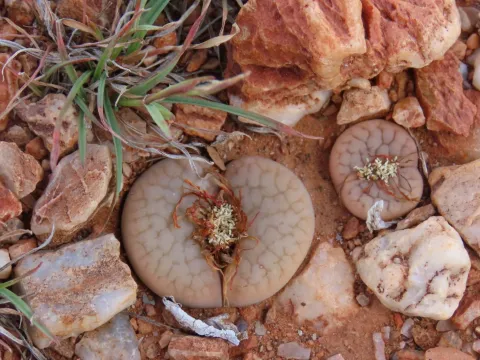
Lithops is a genus of succulent plants within the Aizoaceae family, native to the arid environments of Southern Africa. They are famous for their remarkable adaptation, evolving to resemble stones to avoid predation in harsh desert habitats.
The plant body consists of two thick, succulent leaves fused together with a slit in the middle. This physical structure allows for efficient water storage, making the plant highly resistant to prolonged drought periods.
High light intensity is the most critical factor for Lithops cultivation. They require several hours of direct sun daily to maintain their compact form and unique, intricate color patterns; low light will cause the plant to etiolate and become prone to decay.
The growth medium must be strictly mineral-based, consisting of coarse sand, perlite, gravel, or crushed volcanic rock. Organic matter must be kept to an absolute minimum to prevent root rot and uncontrolled tissue swelling.
Temperature management is vital, requiring high daytime temperatures during the active growing season and a cool, dry winter rest period. Failure to provide a cool winter dormancy (10–15°C) will inhibit the plant's natural molting cycle and prevent blooming.
Overwatering is the primary cause of plant loss in Lithops cultivation. Excessive moisture, especially during the dormant stage, leads to rapid rot of the succulent leaves, which can destroy the specimen within days.
Mealybugs are the most common pests, often sheltering deep within the central fissure of the plant where they are difficult to reach. Regular inspections and the use of targeted systemic insecticides are necessary to manage infestations.
Root mealybugs pose a significant, hidden threat that attacks the root system below the soil surface. Early signs of infestation include a total cessation of growth and a general lack of vigor despite regular care routines.
Fungal pathogens such as Fusarium can occur if the growing medium is contaminated or if drainage is insufficient. Ensuring sterile conditions during the initial planting phase is the most effective preventative measure.
Spider mites may damage the epidermis of the plant in excessively dry, stagnant air conditions. If infestation occurs, using mild, succulent-safe acaricides will help control the pest population without damaging the sensitive leaf tissues.