
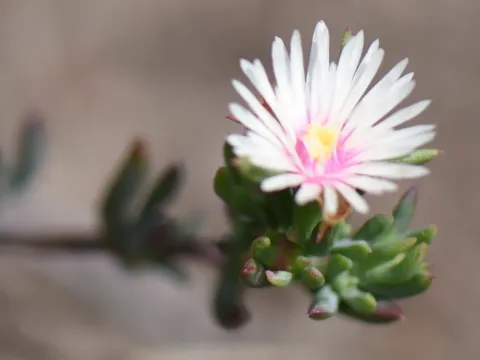
Lampranthus
Lampranthus N. E. Br.
Lampranthus belongs to the Aizoaceae family and comprises succulent plants native to the arid regions of Southern Africa. Propagation is typically achieved through seeds or stem cuttings during the spring season.
What the section contains


Lampranthus
Sow the seeds in a light, sandy substrate in March or April. Do not cover the seeds with soil, as they require light to germinate; simply press them onto the surface and maintain high humidity using a glass or plastic cover.
Maintain temperatures between 20–22 degrees Celsius during the germination phase. Once seedlings are established, provide ample sunlight and gradually increase ventilation to harden the young plants before transplanting.
Transplant seedlings into open ground only after the risk of frost has passed. Select a site with maximum sun exposure, as Lampranthus requires intense light to develop its characteristic succulent growth and profuse flowers.
Cuttings should be taken in late summer using semi-hardwood stems. Allow the cut ends to dry for 24 hours to form a callous, then insert them into a dry, sterile mixture of sand and perlite to encourage root development.
The primary requirement for successful cultivation is well-draining, nutrient-poor soil. Lampranthus is highly sensitive to waterlogging, necessitating a significant layer of gravel or grit for drainage if the native soil is heavy or clay-like.
These plants are sun-worshippers and require full solar exposure to thrive. In shaded areas, the plants will become spindly and fail to produce the vibrant, showy flowers for which the genus is prized.
Climate preferences include warm, dry conditions during the growing season and a cool, dry dormancy period. In temperate zones, Lampranthus is often grown as an annual or overwintered in frost-free indoor environments.
Watering must be strictly regulated; wait for the substrate to dry out completely between waterings. During the blooming peak, watering can be slightly increased, but direct moisture on the foliage should be avoided to prevent rot.
Fertilization should be kept to a minimum, using specialized succulent fertilizers. Excess nitrogen promotes lush foliage growth at the expense of floral display, which is the main decorative value of this agricultural crop.
The most significant threat to Lampranthus is root and stem rot caused by excessive soil moisture and poor aeration. Once rot has set in, the affected parts must be removed immediately, and the remaining plant should be treated with appropriate fungicides.
Common pests include mealybugs and spider mites, which thrive in low-humidity environments. Regular inspection of the plant canopy is essential to detect early infestations before they spread to the entire population.
Pest management involves the application of systemic insecticides or mechanical removal using alcohol-dampened swabs. Always exercise caution, as the delicate leaves of succulents can be easily damaged by chemical sprays.
Improper winter storage can lead to fungal issues and mold development. Ensure good ventilation and low humidity during the dormancy period to keep the succulent tissues firm and disease-free.
Maintaining a clean growing environment and preventing soil compaction are the best preventative measures. By mimicking the plant's natural arid habitat, you significantly reduce the risk of disease and pest outbreaks.