
Lithops bella
Lithops bella
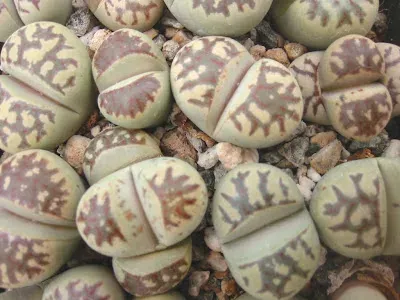
Description
Sowing dates
Sowing Lithops bella should typically take place in late winter or early spring to utilize the increasing light levels. A stable temperature range of 20°C to 25°C is essential for seed germination.
Seeds should be distributed evenly on the surface of a mineral-rich, porous substrate consisting primarily of coarse sand and volcanic grit. Cover the container to maintain high local humidity.
Germination usually occurs within 14 to 30 days. During this period, the moisture levels must be monitored carefully to prevent both drying out and fungal outbreaks.
Once seedlings emerge, ventilation is crucial to harden the young plants. Gradually remove the cover over several days to acclimate them to ambient humidity levels.
Transplanting young Lithops is a delicate process that should ideally be performed after the first year of growth when the root system is sufficiently developed.
Growing requirements
Lithops bella is a member of the Aizoaceae family, native to the arid rocky deserts of Southern Africa. It has evolved specific physiological adaptations to survive in extreme drought.
High light intensity is the primary requirement for healthy growth. These plants require full sun or very bright artificial light to maintain their compact structure and natural color patterns.
The growing medium must be highly inorganic, featuring excellent drainage. Avoid peat-based mixes, preferring instead a blend of granite grit, sand, and porous rock like perlite.
Watering must follow a strict seasonal cycle. Provide water sparingly during the growth phase and ensure a total rest period during dormancy to prevent root rot.
Proper airflow is as important as light. Stagnant air combined with moisture leads to rapid physiological collapse, making an open, well-ventilated space ideal.
Main diseases and pests
Root rot is the most significant threat, almost always caused by improper irrigation or soil that retains moisture for too long.
Mealybugs are the most common pests that infest Lithops bella. They tend to hide in the fissure between the two lobes, requiring systemic insecticide treatment.
Spider mites can also cause damage during dry, hot summers, appearing as tiny webs or discolored patches on the skin of the plant.
Fungal infections can occur if moisture enters the central fissure and remains there for extended periods, leading to tissue necrosis.
To mitigate risks, always ensure the plant is completely dry before subsequent watering cycles and remove any decaying organic matter from the soil surface.