
Lithops hookeri
Lithops hookeri
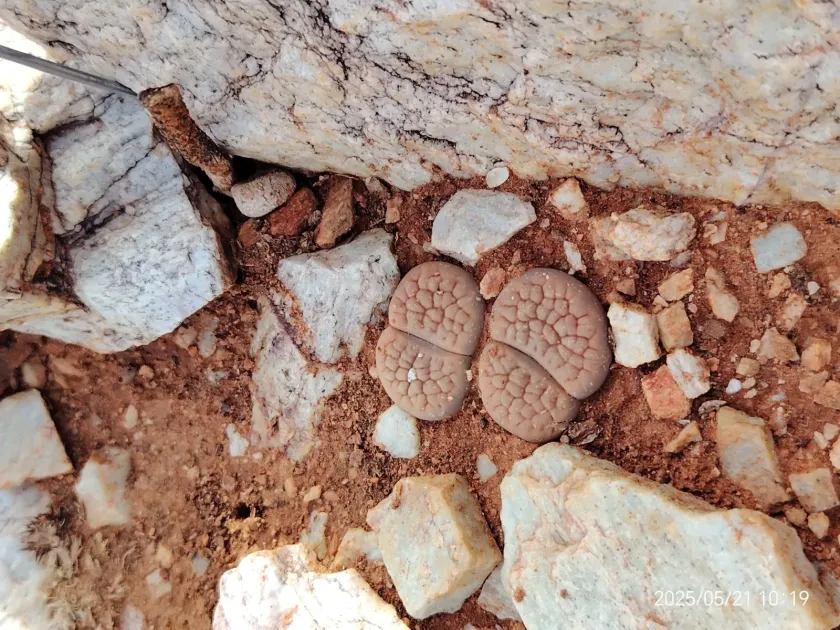
Description
Sowing dates
Seeds of Lithops hookeri are typically sown in early spring to take advantage of the increasing daylight hours. The substrate must be sterile and mineral-based, consisting of sand, perlite, and a very small amount of soil.
For successful germination, high humidity must be maintained under cover for the first few weeks. The temperature should be held steadily between +22 and +25 degrees Celsius during the initial phase.
As seedlings emerge, the cover should be removed gradually to acclimatize them to lower humidity levels. Overwatering must be avoided at all costs, as young lithops are highly susceptible to rot.
Seedlings should not be transplanted until they are at least one year old and have undergone their first molting cycle. This ensures the root system is developed enough to handle the stress of repotting.
Bottom watering is recommended for seedlings to prevent surface moisture from damaging the developing leaves. Proper air circulation around the young plants is equally vital to prevent damp-off diseases.
Growing requirements
Lithops hookeri belongs to the Aizoaceae family and is native to the arid environments of Southern Africa. The plant consists of two succulent leaves fused together, which are adapted to store water for long periods of drought.
The culture requires intense, direct sunlight to maintain its natural shape and coloration. Without adequate light, these plants will become etiolated, losing their characteristic stone-like appearance and becoming weak.
The potting medium must be extremely well-draining, consisting primarily of inorganic components like grit, pumice, and coarse sand. Any organic material in the mix should be kept to an absolute minimum.
A distinct seasonal cycle is necessary: high temperatures during the growth phase and a cool, dry dormant period during the winter. Keeping the plants dry during their dormant winter stage is critical for survival.
Watering should be strictly withheld during the molting process, where the new pair of leaves absorbs all the moisture from the dying old pair. Providing water during this time leads to an undesirable stacked appearance.
Main diseases and pests
The most significant threat to Lithops hookeri is fungal rot, triggered by overwatering or poor drainage. Excess water around the roots quickly leads to irreversible necrosis of the root system.
Common pests include mealybugs and spider mites, which often hide deep within the fissure between the leaves. Infestations can weaken the plant and leave it vulnerable to secondary infections.
Root mealybugs are particularly dangerous as they live underground, making early detection difficult. A sudden loss of turgor or a decline in health is often the first sign of root-level infestation.
Management involves the use of systemic insecticides specifically labeled for use on succulents. It is essential to monitor the plants closely and quarantine any newly acquired specimens.
- Avoid overhead watering.
- Maintain a dry environment during winter.
- Regularly inspect the leaf fissure.