
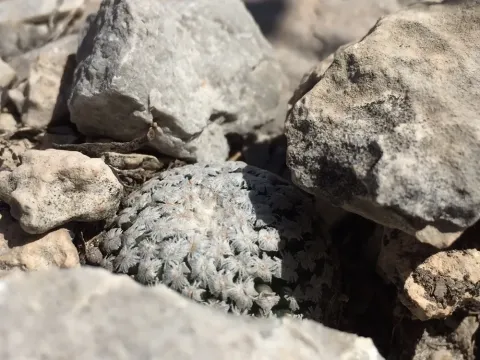
Turbinicarpus
Turbinicarpus
Turbinicarpus is primarily propagated through seeds. Sowing should ideally take place in late winter or early spring to take advantage of the increasing daylight hours necessary for seedling development.
What the section contains
 Turbinicarpus alonsoi
Turbinicarpus alonsoi
Turbinicarpus alonsoi
 Turbinicarpus gielsdorfianus
Turbinicarpus gielsdorfianus
Turbinicarpus gielsdorfianus
 Turbinicarpus schmiedickeanus
Turbinicarpus schmiedickeanus
Turbinicarpus schmiedickeanus
 Turbinicarpus swobodae
Turbinicarpus swobodae
Turbinicarpus swobodae
 Turbinicarpus valdezianus
Turbinicarpus valdezianus
Turbinicarpus valdezianus
 Turbinicarpus viereckii
Turbinicarpus viereckii
Turbinicarpus viereckii
Turbinicarpus
Seeds are placed in a sterile, fine-textured substrate consisting of sand and loam. Maintaining consistent moisture and a temperature range of 20–25 degrees Celsius is critical for germination.
The containers must have efficient drainage systems to prevent waterlogging, which is lethal for young succulents. Covering the seed trays with glass or film helps maintain essential humidity.
Once seedlings emerge, the covering is gradually removed to acclimatize the plants. Pricking out should only be performed once the plants have developed sufficient spines and structural stability.
The use of growth stimulants in very low concentrations can facilitate root development, allowing the seedlings to adapt more efficiently to their permanent growing media.
Turbinicarpus is a genus belonging to the Cactaceae family, native to the arid environments of Mexico. These plants have evolved to survive in rocky terrain with very limited water availability.
Successful cultivation requires intense, direct sunlight throughout the growing season. Inadequate light exposure leads to etiolation, where the cactus stretches and loses its characteristic compact form.
The potting medium must be highly porous and well-draining. An ideal substrate consists of a mix of gravel, coarse sand, and a minimal amount of organic leaf mold to mimic their natural habitat.
Watering must be meticulous; the substrate should dry out completely between waterings. During the dormant winter season, water should be withheld almost entirely to prevent root rot.
The plants require seasonal temperature fluctuations to thrive. Keeping them in cool conditions (between 5–10 degrees Celsius) during winter is essential to stimulate the flowering process.
Root rot is the most significant threat to Turbinicarpus, typically caused by overwatering or poor drainage. This condition can kill a plant quickly due to the sensitivity of the root structure.
Root mealybugs are persistent pests that reside in the soil and attack the roots directly. They are often difficult to detect until the plant stops growing or shows signs of dehydration.
Spider mites can damage the epidermis if the environment becomes too dry and lacks proper air circulation. Their presence is marked by fine webbing and discoloration on the cactus surface.
Effective pest management involves the application of systemic insecticides applied to the root zone or via specialized sprays. Preventive measures include ensuring good ventilation and strict sanitation.
- Use of high-quality fungicides for prevention.
- Regular inspection for signs of infestation.
- Quarantine for any new plant additions.