
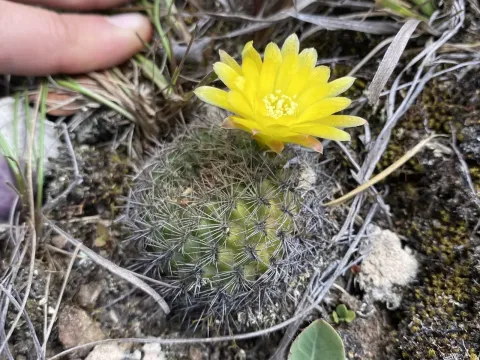
Weingartia
Weingartia
Weingartia is typically propagated via seeds, as this genus does not produce offshoots rapidly. The ideal time for sowing is early spring, when daylight hours start to increase, providing the necessary solar intensity for the seedlings to develop robust growth patterns from the start.
What the section contains


Weingartia
A well-draining, gritty substrate is essential for seed germination, consisting of a mix of sand, perlite, and a small amount of loamy soil. Covering the pots with plastic or glass helps maintain the constant, high humidity levels required for the seeds to successfully sprout.
Temperature control during the germination phase is critical, with a range between +22 and +25 degrees Celsius being optimal. It is vital to keep the seed trays in a bright, shaded location, avoiding direct sunlight which can easily burn the tender tissues of young, emerging cacti.
Pricking out the seedlings should be performed once they are large enough to handle and have developed their first set of spines, usually within 3 to 5 months of sowing. Extreme care must be taken to minimize root disturbance during this delicate transplanting process.
After being transplanted, the young cacti should be gradually acclimatized to higher light levels and reduced watering frequencies. Weingartia specimens at this stage remain highly susceptible to overwatering, making moisture control the most important aspect of their early management.
Weingartia belongs to the Cactaceae family and is recognized as a genus of small, globular succulents. Native to the high-altitude regions of Bolivia and Argentina, these plants have evolved to thrive in harsh, mountainous environments at elevations of up to 4000 meters.
These plants require intense, direct sunlight for the majority of the day to maintain their compact, authentic shape. Inadequate lighting will cause the cactus to etiolate, resulting in a weak, elongated stem and a pale color, making the plant significantly more susceptible to infections.
The ideal potting medium for Weingartia must be highly permeable, mineral-based, and low in organic matter. Using a mix of coarse sand, crushed gravel, and pumice ensures rapid drainage, preventing the accumulation of moisture that can lead to fatal root rot in these mountain cacti.
Watering should only be performed during the active growing season, ensuring that the substrate completely dries out between applications. During the dormant winter period, the plant requires a cool, dry environment with temperatures ranging from +5 to +10 degrees Celsius to rest properly.
Poor ventilation and waterlogged soil are the primary enemies of this genus. A substantial drainage layer at the bottom of the container is mandatory, as any standing water in the root zone will almost certainly compromise the health and structural integrity of the plant.
Common pests affecting Weingartia include spider mites and mealybugs. Spider mites are particularly problematic in dry environments with poor air circulation, and they can cause unsightly discolored spots on the skin of the cactus as they feed on the plant's sap.
If an infestation is detected, treatment with specialized acaricides or systemic insecticides is necessary. Repeated applications may be required to ensure that all stages of the pest lifecycle are eradicated, and it is best to treat the plants in a well-ventilated area.
Fungal and bacterial rots are typically the result of poor cultivation practices, most notably overwatering or lack of sufficient light. Signs of infection include soft, mushy spots on the stem, discoloration, and in severe cases, a distinct unpleasant odor from the decaying tissue.
In cases of localized rot, surgery may be attempted by cutting away the infected flesh with a sterilized knife until healthy, green tissue is reached. The resulting wound should be dusted with powdered sulfur or charcoal to promote drying and prevent secondary bacterial invasion.
Root rot is the most dangerous condition for Weingartia, often remaining hidden until the entire plant begins to collapse. Preventive measures, such as providing a mineral-heavy soil mix and strictly adhering to dry dormancy periods, are essential for the long-term survival of this species.