
Turbinicarpus schmiedickeanus
Turbinicarpus schmiedickeanus
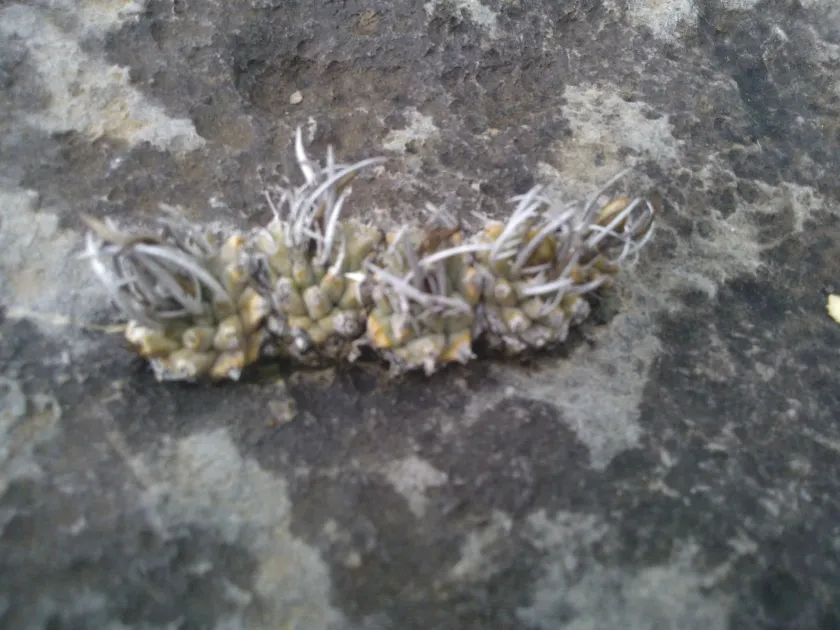
Description
Growing requirements
Turbinicarpus schmiedickeanus is a small, slow-growing member of the Cactaceae family, native to the arid limestone regions of Northern Mexico. It is highly valued in the cactus community for its distinct, geometric form.
The substrate must be extremely well-draining, composed primarily of mineral components such as gravel, limestone, and coarse sand. Organic matter should be kept to a absolute minimum to replicate the plant's natural habitat.
Light requirements are high, as the plant demands significant exposure to sunlight to maintain its natural, compact shape and strong spine development. Direct sun is acceptable, though moderate shade may be necessary during peak heat.
Watering requires strict discipline, with the soil allowed to dry completely between applications. During the dormant winter season, water should be withheld entirely to prevent root rot and ensure healthy development.
As an ornamental species, its primary use is in specialized botanical collections. Due to its slow growth, it is often propagated by seed, which requires patience and specific humidity conditions to germinate.
Main diseases and pests
Root mealybugs are a significant pest for this species, often settling in the root zone and stems, causing stunted growth. Detection often requires inspecting the root system during repotting.
Root rot, caused by fungal pathogens in the soil, remains the most lethal threat. It occurs almost exclusively due to overwatering or lack of drainage, leading to rapid decay of the plant's vascular tissue.
Spider mites are common in dry environments and can cause disfigurement to the epidermis. Regular airflow and occasional misting can help prevent their colonization during the hottest months.
General hygiene, such as sterilizing potting tools and ensuring soil is free from pathogens, is the primary method of defense against bacterial infections that can affect injured tissues.
In cases of infestation, chemical treatments should be applied sparingly, focusing on systemic products that are safe for use on sensitive succulent tissues to avoid chemical burning.