
Turbinicarpus viereckii
Turbinicarpus viereckii
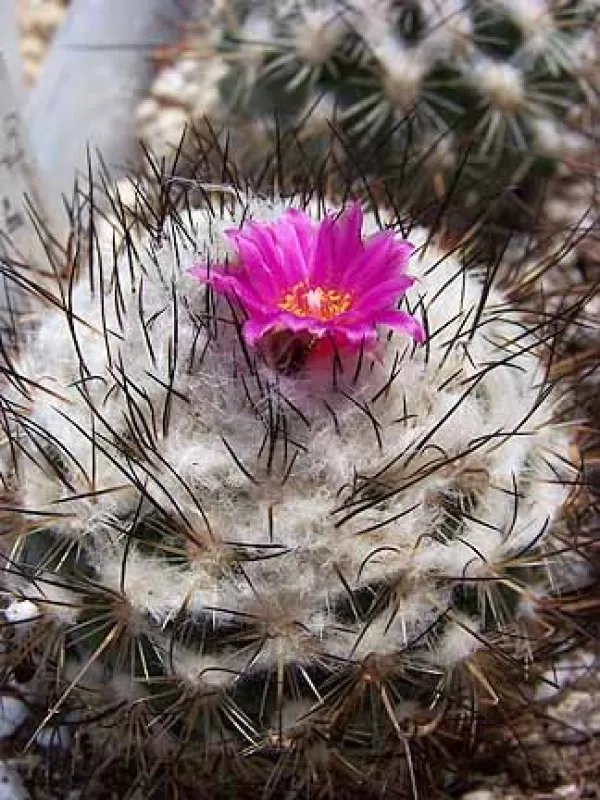
Description
Sowing dates
Turbinicarpus viereckii is typically propagated through seeds, which should be sown during the late winter or early spring. This timing allows seedlings to establish before the heat of summer.
Use a sterile, well-draining substrate composed primarily of fine sand and perlite. The seeds should be lightly pressed onto the surface without being buried too deeply in the soil.
Cover the sowing containers to maintain high humidity levels, which is essential for germination. Ensure the environment is kept clean to prevent fungal growth on the delicate young seedlings.
Keep the temperature consistent, ideally between 22 and 25 degrees Celsius, to encourage steady growth. Proper light levels, though not direct sun, are crucial for the development of the tiny cacti.
Prick out the seedlings once they develop their first set of spines and are strong enough to handle. Gradually introduce them to less humid conditions to harden them off for transplantation.
Growing requirements
Turbinicarpus viereckii belongs to the Cactaceae family and is native to the limestone regions of Mexico. This small, globose cactus is highly valued by collectors for its unique appearance.
The plant requires full sun exposure to maintain its compact shape and promote healthy spine development. Placing it in a sunny, south-facing window is recommended for optimal indoor growth.
A mineral-based, gritty soil mix is mandatory. Incorporate limestone chippings, gravel, and sand to create a substrate that mimics the plant's natural habitat and ensures rapid drainage.
Water sparingly during the growing season. Allow the soil to dry out completely between waterings to prevent the roots from rotting, which is the most common cause of failure for this species.
During the winter dormancy, keep the plant cool (around 10 degrees Celsius) and completely dry. This rest period is vital for the plant's metabolic cycle and helps trigger flowering in the spring.
Main diseases and pests
Root rot is the most significant threat to Turbinicarpus viereckii, usually caused by overwatering or poor drainage. Once established, it is difficult to treat, often leading to total loss.
Mealybugs are frequent pests that infest the deep grooves of the cactus body. They suck sap from the plant, leaving behind sticky residues that can attract secondary fungal infections.
Spider mites can also be problematic if the indoor environment is too hot and dry. They damage the epidermis, causing unsightly discoloration and a stunted growth pattern on the cactus skin.
Effective pest management involves using targeted systemic insecticides. Regular inspections and maintaining good hygiene around the pots are essential to prevent widespread infestations.
Maintaining a well-ventilated environment helps reduce the risk of common diseases. Ensure there is adequate airflow around the plant, especially if it is being grown in a closed glasshouse.