
Turbinicarpus valdezianus
Turbinicarpus valdezianus
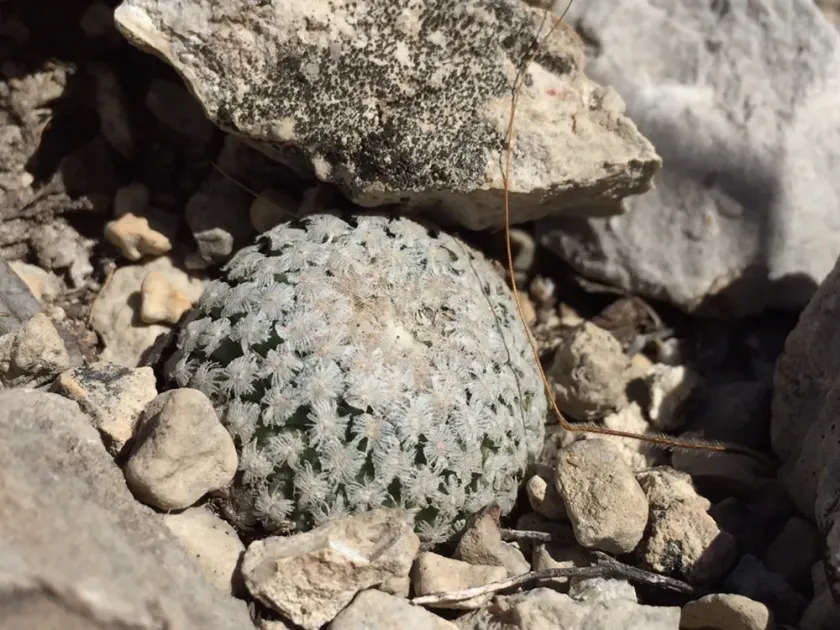
Description
Sowing dates
The sowing process for Turbinicarpus valdezianus should be timed for early spring, usually between March and April, when daylight duration begins to increase significantly. This timing ensures that young seedlings receive optimal natural light to support their delicate growth phase.
A sterile and highly porous sowing substrate is essential to prevent damping-off disease. A mixture of fine sand and crushed gravel is highly recommended to provide the necessary support while ensuring excellent drainage to keep the seedlings healthy.
Seeds should be distributed evenly on the surface of the moistened substrate. There is no need to cover them with soil; however, maintaining a high humidity level is crucial for successful germination, which can be achieved by covering the container with transparent plastic or glass.
Maintaining a stable temperature range between 22 and 25 degrees Celsius is critical during the initial germination stages. Sudden temperature fluctuations can severely hinder the development of the young plants and significantly lower the germination rate.
Pricking out the seedlings should be approached with extreme caution, generally performed after they reach the size of a small pea. The root systems of Turbinicarpus species are sensitive, so proper care during transplantation is necessary to ensure long-term survival.
Growing requirements
Turbinicarpus valdezianus is a distinct member of the Cactaceae family, native to the limestone mountains of Northern Mexico. This miniature species is characterized by its slow growth, spherical body, and dense white spines that provide an effective defense against harsh sun.
The species requires intense, bright light to maintain its compact shape. In home cultivation, a south-facing window or supplemental grow lights are necessary to mimic the high-altitude desert sunlight required for the plant to thrive and bloom effectively.
The soil requirements are strict: a mineral-rich medium is mandatory. The mix should be composed primarily of limestone grit, perlite, and coarse sand. Organic matter should be kept to an absolute minimum to prevent moisture retention and subsequent root issues.
Watering must follow the seasonal cycle, providing moisture only during the active growing period after the soil has completely dried out. During the winter rest period, the plants should be kept entirely dry and in a cool environment to prevent premature growth or decay.
Good ventilation is key to cultivating healthy specimens. Ensuring proper airflow around the plant helps prevent the buildup of moisture in the crown and reduces the likelihood of fungal outbreaks, which are common in stagnant air environments.
Main diseases and pests
Mealybugs are the most common pests associated with this species. They frequently hide within the dense spine covering of the cactus, making manual inspection difficult. Regular monitoring and the application of systemic insecticides are the best ways to keep the plants safe.
Red spider mites pose a constant threat, especially in conditions where the air is excessively dry. These tiny pests pierce the epidermis, causing visible spotting and scarring that can permanently disfigure the surface of the cactus if not treated promptly.
Root rot remains the most lethal threat to Turbinicarpus valdezianus, typically caused by overwatering or poor drainage. Once the roots begin to fail, the plant loses its ability to uptake nutrients, leading to a rapid decline in health that is often impossible to reverse.
Fungal infections can take hold during the winter rest phase if the plants are exposed to excessive ambient humidity. Keeping the greenhouse or growing area clean and ensuring that temperatures remain cool and dry is the best preventative strategy against these pathogens.
Soil-borne nematodes can cause stunted growth and nutrient deficiency. Always ensure that any substrate used for potting has been thoroughly heat-treated or sourced from reliable, sterile providers to mitigate the risk of introducing these subterranean pests.