
Turbinicarpus swobodae
Turbinicarpus swobodae
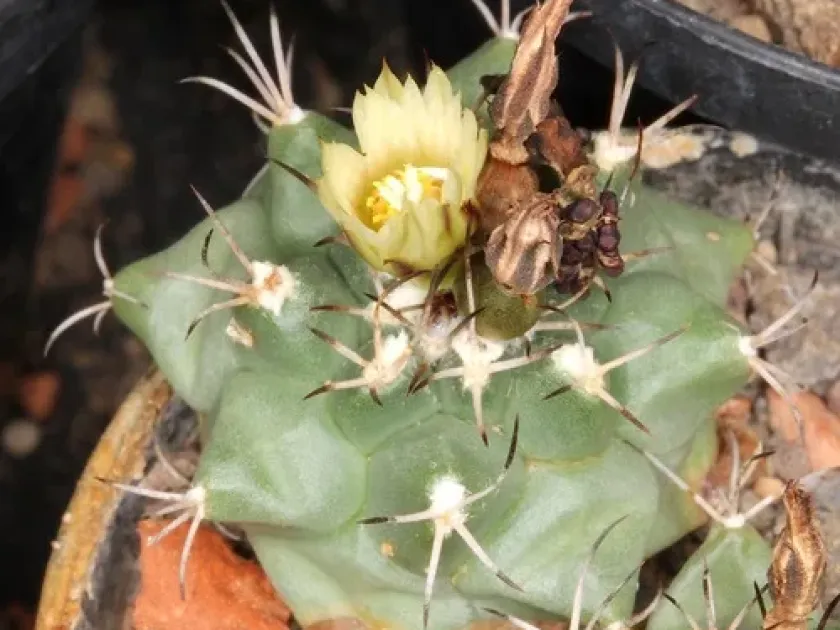
Description
Growing requirements
Turbinicarpus swobodae belongs to the Cactaceae family, known for its distinct spherical appearance. This species is endemic to restricted limestone habitats in the Mexican state of Nuevo León.
The plant requires high levels of solar radiation to maintain its natural compact growth habit. In cultivation, it thrives best in greenhouse environments where light intensity can be strictly regulated.
The growing medium must be highly porous and inorganic. A mixture of pumice, coarse sand, and a minimal amount of loam provides the drainage needed to prevent the plant's sensitive roots from rotting.
Environmental requirements include a distinct seasonal cycle. Warm summer days between 20 °C and 30 °C promote growth, while a winter dormancy period at 5–10 °C is essential for successful flowering.
Watering should be conservative. During the growing season, wait until the substrate is completely dry before applying water. In winter, irrigation must be suspended almost entirely to mimic its natural environment.
Main diseases and pests
Root and stem rot are the most common pathological threats to this species. These conditions are almost exclusively linked to overwatering or insufficient drainage in the potting mix.
Mealybugs are the primary insect pests affecting this cactus. They cluster in the gaps between tubercles and along the stem, requiring careful inspection and the use of targeted systemic insecticides.
Spider mites may appear during periods of poor ventilation or extreme heat. These pests cause superficial damage to the epidermis, which can lead to permanent scarring of the succulent tissue.
High mineral content in irrigation water can lead to alkaline buildup in the soil, which prevents the roots from absorbing nutrients effectively. Using filtered or rainwater is recommended.
To ensure healthy development, it is vital to avoid high humidity levels during the cooler months. Proper air circulation is the best preventive measure against the onset of fungal diseases.