
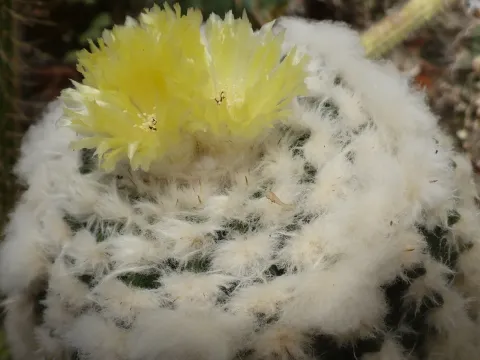
Wigginsia
Wigginsia
Wigginsia is a genus of succulent plants within the Cactaceae family, known for its distinct globular shape and often prominent ribs. Taxonomically, many species within this genus have been integrated into the Parodia genus, though the name Wigginsia remains widely recognized in horticultural circles.
What the section contains

Wigginsia
These plants are native to the South American continent, specifically originating from Uruguay, Argentina, and southern Brazil. They typically inhabit rocky terrain and open grasslands, where they have evolved to thrive under exposure to intense sunlight and seasonal moisture variations.
Successful cultivation requires a well-lit environment. In indoor conditions, they prefer a south-facing window with bright, filtered sunlight to prevent the stem from etiolating. During the summer growing season, temperatures between 22°C and 28°C are ideal for healthy development.
The substrate must prioritize drainage. A standard mix should include equal parts of pumice, coarse sand, and a small portion of organic loam. It is essential to ensure that the potting medium remains loose and airy, allowing oxygen to reach the roots while preventing excessive moisture retention.
Wigginsia is primarily utilized as an ornamental plant. Due to its aesthetic appeal and the ability to produce large, vibrant yellow flowers, it is a favored specimen for collectors of rare succulents and xeriscape landscaping, particularly in temperate regions where indoor protection is provided.
Pests such as spider mites and mealybugs are the most common threats to Wigginsia. These infestations are often linked to dry atmospheric conditions. Regular monitoring of the crown and the base of the plant is necessary to detect early signs of colonization by these insects.
Root rot, induced by fungal pathogens, poses the most significant risk to the plant's viability. This condition is almost exclusively caused by overwatering or poor drainage, which creates an anaerobic environment where fungi flourish and decay the cactus tissues rapidly.
To mitigate disease risk, it is crucial to allow the soil to dry out completely between watering sessions. Using a well-draining mineral substrate and ensuring good air circulation around the plant are the most effective preventative measures against fungal outbreaks.
Physical trauma to the plant, such as accidental cuts or bruises, should be treated with powdered sulfur or a fungicide to prevent rot from entering through the wound. Maintaining a strict dormant period during winter is essential to ensure the plant’s long-term health.
If rot is suspected, prompt surgical removal of the infected tissue is necessary, followed by a period of air-drying before re-rooting the healthy part of the plant. Careful management of environmental stressors is key to maintaining a pest-free and healthy Wigginsia specimen.