
Thaumatococcus
Thaumatococcus
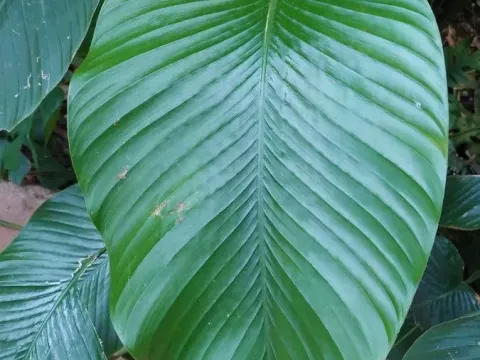
Thaumatococcus daniellii is a perennial herbaceous plant belonging to the Marantaceae family. It is native to the tropical rainforests of West Africa, where it thrives in the understory.
What the section contains

Thaumatococcus
The plant requires a warm, humid climate to flourish. Optimal temperatures for vegetative growth range between 22 and 30 degrees Celsius, and it is intolerant to frost and prolonged cold.
Soils should be rich in organic matter and possess good moisture-retention properties. Shaded or semi-shaded environments are preferred to replicate the natural habitat of the tropical forest floor.
Adequate water supply is crucial for this crop. Irrigation should be consistent, especially during dry spells, to maintain soil hydration and support the development of the fruit.
Agronomic management involves regular mulching to keep the soil surface moist and the use of balanced organic fertilizers to ensure robust growth throughout the growing season.
The economic importance of Thaumatococcus lies in its fruits, which contain the protein thaumatin. This compound is known for being thousands of times sweeter than sucrose.
Thaumatin is widely utilized in the global food industry as a natural sweetener, flavor modifier, and aroma enhancer, making the plant a high-value agricultural commodity.
The large, flexible leaves are another significant harvestable product. They are traditionally used in West Africa as sustainable packaging materials and food wrappers.
Harvesting is labor-intensive because the fruits develop near the base of the plant, often partially buried in the soil, which complicates mechanical harvesting methods.
Commercial plantations can sustain long-term productivity provided that the soil fertility is managed and the plants are protected from extreme environmental fluctuations.
Root rot is the most significant disease affecting Thaumatococcus, typically triggered by waterlogged conditions and poor drainage in the cultivation area.
Pests such as spider mites and mealybugs may attack the foliage, particularly when humidity levels are inadequate, causing stunted growth and reduced fruit quality.
Integrated Pest Management (IPM) practices are recommended to mitigate these threats while minimizing the use of synthetic pesticides, ensuring product safety for food use.
Monitoring the soil pH and structure is essential, as nutrient imbalances can make the plants more susceptible to opportunistic pathogens and environmental stressors.
Good agricultural practices, including wide row spacing and proper weeding, help create a healthy microclimate that discourages the rapid spread of pests and diseases.