

CYTOKIN
Компанія «Miller Chemical and Fertilizer LLC» (США)
Plant Growth Regulators
0
0
·
68
7 offers
140.8 €per 1 l
Buy
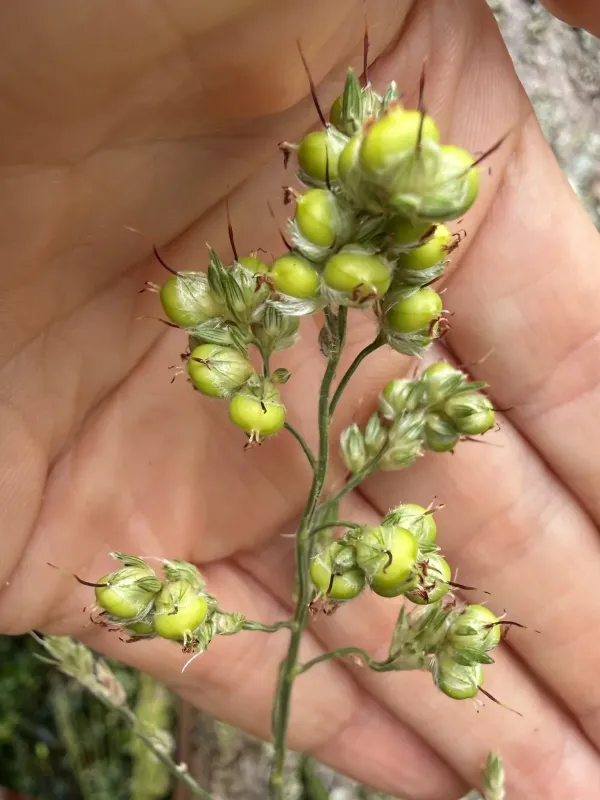
Sorghum is a heat-loving crop, so planting should only begin once soil temperatures at the seeding depth reach at least 12–14°C.
The optimal sowing window typically spans from late April to mid-May, depending strictly on the regional climatic conditions.
Early sowing in cold soil leads to poor stand establishment and increased vulnerability to soil-borne pathogens.
Successful germination requires consistent temperatures and minimal risk of late frost events during the initial seedling stage.
Utilizing precision planters ensures uniform seed distribution, which is vital for maximizing the yield potential of the sorghum stand.
Sorghum belongs to the Poaceae family and is recognized globally as one of the most drought-tolerant cereal crops.
The plant adapts well to a variety of soil types, including saline and low-fertility conditions, making it ideal for high-risk agricultural zones.
Sorghum is a short-day plant with a highly efficient photosynthetic pathway, requiring significant sunlight for optimal biomass production.
Its deep root system allows it to extract moisture from deep soil layers, providing stable yields even under severe water-deficit conditions.
Effective nutrient management involves balanced fertilization, focusing on nitrogen during vegetative growth and phosphorus/potassium for stalk integrity.
Sorghum yield potential varies based on agronomic practices, hybrid selection, and moisture availability during critical growth stages.
Under intensive management, grain yields can reach 8–10 tons per hectare, while silage biomass can exceed 50–60 tons.
Sorghum grain is a versatile commodity used in food processing, ethanol production, and as a high-energy component in livestock feed.
The growing season generally ranges from 90 to 120 days, allowing for flexible rotation and harvest scheduling within the agricultural calendar.
The crop serves as an excellent preceding plant in crop rotations due to its ability to improve soil health and suppress certain weeds.
Fungal diseases pose a major threat to sorghum, especially when humidity is high and crop rotation standards are not maintained.
Common diseases include anthracnose, sorghum smut, helminthosporium blight, rhizoctonia, sclerotinia, charcoal rot, and pythium root rot.
Major insect pests include the European corn borer, western corn rootworm, and various bug species that damage stalks and developing grain.
Young seedlings are also susceptible to generalist pests like beet weevils, necessitating careful monitoring during the early stages of growth.
Harvesting is typically done via direct combining when the grain reaches full physiological maturity and moisture drops to 18–20%.
To minimize grain loss, combine settings such as drum speed and concave clearance must be precisely adjusted for the specific sorghum variety.
For silage production, harvesting should commence during the soft dough stage to ensure optimal nutrient content and digestibility.
Post-harvest handling requires efficient cleaning and drying to prevent mycotoxin development and ensure safe long-term storage.
Timely harvest is essential to reduce the risk of lodging and prevent the development of mold on the grain in the field.


