
Description
Symptoms
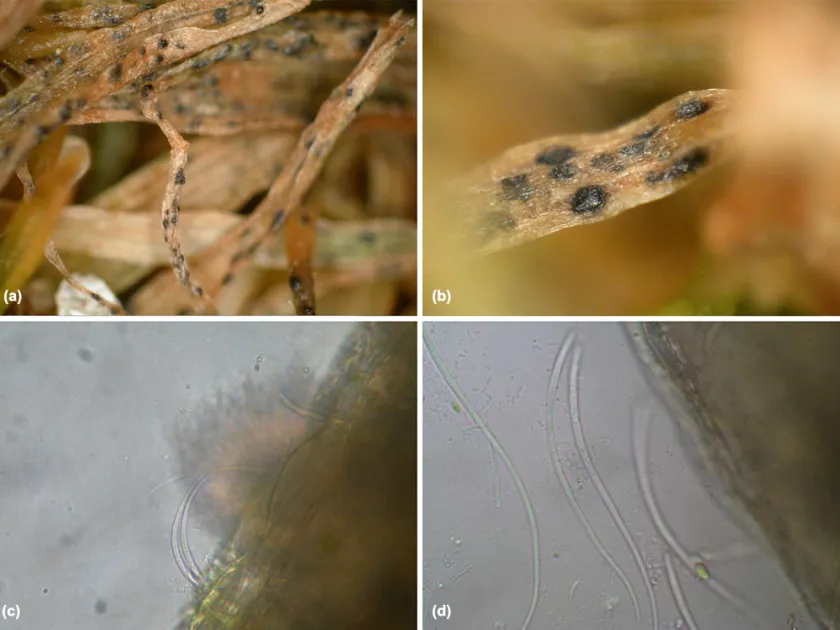
The symptoms typically begin as small, water-soaked spots on the leaves. These spots rapidly elongate into characteristic lesions, often becoming narrow or elliptical, which is a diagnostic feature of this disease.
The color of these lesions ranges from dark purple to reddish-brown, often surrounded by a lighter halo. As the infection progresses, these individual spots coalesce, covering large portions of the leaf blade.
Under conditions of high humidity, a distinct pinkish or brick-red mass of conidia may appear on the surface of the lesions. This sporulation is a key identifier when scouting for the disease in the field.
In severe cases, the infected leaves wither and dry prematurely, leading to significant foliage loss. The infection can also move into the leaf sheaths and stalks, further compromising the plant's structural integrity.
The overall appearance of the canopy becomes patchy and chlorotic. Affected plants show a marked reduction in vigor compared to healthy neighbors, often resulting in an uneven field appearance.
Pathogen
The causal agent of this disease is the fungus Gloeocercospora sorghi, which belongs to the hyphomycetes group. It specifically targets various species within the Poaceae family, with sorghum being the primary host.
The fungus produces sclerotia, which are dormant survival structures. These sclerotia allow the pathogen to overwinter in soil debris, crop residues, or on infected seeds, acting as the primary inoculum for the next season.
During the growing season, the fungus produces conidia within sporodochia. These spores are disseminated via wind, splashing rain droplets, and agricultural tools, leading to secondary infection cycles across the field.
The mycelium grows intercellularly, invading plant tissues and secreting toxins that induce necrotic lesions. The pathogen is capable of infecting the crop at all vegetative stages, making it a persistent threat to yield stability.
The fungal biology is highly adapted to the host, utilizing specific environmental triggers to initiate infection. Understanding this cycle is fundamental for timing agricultural interventions effectively.
Conditions for development
The disease thrives in warm, humid climates, with optimum development occurring at temperatures between 22 and 28 degrees Celsius. Prolonged periods of rainfall significantly accelerate the spread of the pathogen.
High relative humidity and frequent dew or fog are critical for spore germination and infection. These conditions provide the necessary moisture for the fungus to penetrate the host's epidermal layers.
Continuous cropping of sorghum on the same land allows for the buildup of pathogen populations. High levels of sclerotia in the soil increase the disease pressure for subsequent plantings.
Poor field management, including excessive nitrogen fertilization, can result in lush, succulent growth that is more susceptible to infection. Such tissues are softer and easier for the fungal hyphae to colonize.
Dense planting patterns reduce airflow within the crop canopy, creating microclimates that retain moisture longer. This environment is ideal for the rapid secondary spread of the fungal infection.
Why it matters
The primary damage caused by Gloeocercospora sorghi is the loss of photosynthetic area. Reduced leaf surface significantly limits the plant's ability to produce energy, directly impacting grain filling.
Yield loss manifests as reduced seed weight, lower overall grain quality, and decreased biomass. In many cases, the crop fails to reach its full productive potential, leading to lower profitability for the grower.
The disease weakens the stalks, making the plants more prone to lodging. This structural weakness creates significant difficulties during mechanical harvesting and contributes to additional yield losses.
Furthermore, plants weakened by the fungus become more susceptible to secondary pathogens and opportunistic pests. This creates a complex stress scenario that can lead to total crop failure in extreme cases.
Economic impact includes both direct yield loss and the operational costs associated with disease management. Growers must account for potential losses when planning their long-term crop rotation and protection strategies.
Protection
Effective management begins with robust crop rotation, avoiding sorghum on the same field for at least 3 years. This practice is essential to break the pathogen's life cycle and reduce soilborne inoculum.
Deep plowing or tillage helps bury crop residues deep into the soil. This accelerates the decomposition of debris and reduces the survival chances of the fungal sclerotia.
Choosing resistant or tolerant hybrids is the most sustainable approach to managing the disease. Breeding programs continue to prioritize varieties that offer stronger natural immunity to leaf spot pathogens.
Seed treatment with systemic fungicides can provide protection during the seedling phase. This measure prevents early-season infections that can originate from contaminated seeds.
If environmental conditions favor disease outbreaks, a timely application of foliar fungicides may be necessary. Monitoring for the first appearance of symptoms is crucial for the success of any chemical intervention.
Pathogens and affected parts
Affects crops · 1
Discussion
No discussions yet — be the first.