
Reference · Crops
Brassicaceae
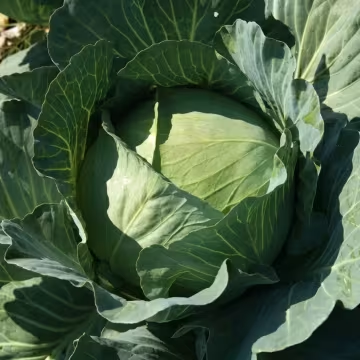
The Brassicaceae family, historically known as Cruciferae, comprises a diverse group of essential agricultural crops. This family includes staples such as cabbage, broccoli, cauliflower, radish, rapeseed, and mustard. These plants are globally significant due to their nutritional value, industrial applications, and high economic yield in modern farming systems.
666
sections
What the section contains
 Norwegian whitlow-grass
Draba norvegica
Norwegian whitlow-grass
Draba norvegica
 Notoceras
1 item
Notoceras
Notoceras
1 item
 Notothlaspi
1 item
Notothlaspi
Notothlaspi
1 item
 Ochthodium
1 item
Ochthodium
Ochthodium
1 item
 Odontarrhena
1 item
Olimarabidopsis
Olimarabidopsis
1 item
Odontarrhena
Odontarrhena
1 item
Olimarabidopsis
Olimarabidopsis
1 item
 Olympic wallflower
Erysimum olympicum
Olympic wallflower
Erysimum olympicum
 Oriental sea kale
Crambe orientalis
Oriental sea kale
Crambe orientalis
 Orychophragmus
1 item
Orychophragmus
Orychophragmus
1 item
 Pachyphragma
1 item
Pachyphragma
Pachyphragma
1 item
 Pale wallflower
Erysimum ochroleucum
Pale wallflower
Erysimum ochroleucum
 Parnassian whitlow-grass
Draba parnassica
Parnassian whitlow-grass
Draba parnassica
 Parrya
1 item
Parrya
Parrya
1 item
 Peltaria
3 items
Peltaria
Peltaria
3 items
 Pennsylvania bittercress
Cardamine pensylvanica
Pennsylvania bittercress
Cardamine pensylvanica
 Pennycress
Noccaea
23 items
Pennycress
Noccaea
23 items
 Perennial honesty
Lunaria rediviva
Perennial honesty
Lunaria rediviva
 Petrocallis
Petrocallis
Petrocallis
 Petrocallis pyrenaica
Petrocallis pyrenaica
Petrocallis pyrenaica
 Phoenicaulis
1 item
Phoenicaulis
Phoenicaulis
1 item
 Physaria
1 item
Physorhynchus
Physorhynchus
2 items
Physaria
Physaria
1 item
Physorhynchus
Physorhynchus
2 items
 Pinnate pepperweed
Lepidium pinnatifidum
Pinnate pepperweed
Lepidium pinnatifidum
 Pringlea
1 item
Pringlea
Pringlea
1 item
 Pritzelago
Pritzelago
Pritzelago
 Proliferous yellowcress
Rorippa prolifera
Proliferous yellowcress
Rorippa prolifera
 Pseuderucaria
1 item
Pseuderucaria
Pseuderucaria
1 item
 Pseudoarabidopsis
1 item
Pseudoarabidopsis
Pseudoarabidopsis
1 item
 Pseudovesicaria
1 item
Pseudovesicaria
Pseudovesicaria
1 item
 Psychine
1 item
Ptilotrichum
Ptilotrichum
Psychine
Psychine
1 item
Ptilotrichum
Ptilotrichum
 Ptilotrichum purpureum
Ptilotrichum purpureum
Ptilotrichum purpureum
 Pubescent mustard
Sinapis pubescens
Pubescent mustard
Sinapis pubescens
 Purple Chorispora
Chorispora purpurascens
Purple Chorispora
Chorispora purpurascens
 Purple wallflower
Erysimum purpureum
Purple wallflower
Erysimum purpureum
 Pyrenean yellowcress
Rorippa pyrenaica
Pyrenean yellowcress
Rorippa pyrenaica
 Radish-leaved bittercress
Cardamine raphanifolia
Raparia
Raparia
1 item
Raphanus aucheri
Raphanus aucheri
Radish-leaved bittercress
Cardamine raphanifolia
Raparia
Raparia
1 item
Raphanus aucheri
Raphanus aucheri
 Rapistrum
1 item
Rapistrum
Rapistrum
1 item
 Red shepherd's purse
Capsella rubella
Red-stemmed yellowcress
Rorippa erythrocaulis
Red shepherd's purse
Capsella rubella
Red-stemmed yellowcress
Rorippa erythrocaulis
 Repanda cabbage
Brassica repanda
Repanda cabbage
Brassica repanda
 Reseda-leaved bittercress
Cardamine resedifolia
Reseda-leaved bittercress
Cardamine resedifolia
 Rhaetian wallflower
Erysimum rhaeticum
Rhaetian wallflower
Erysimum rhaeticum
 Rhizobotrya alpina
Rhizobotrya alpina
Rhizobotrya alpina
 Rhynchosinapis
Rhynchosinapis
Rhynchosinapis
 Ricotia
2 items
Ricotia
Ricotia
2 items
 River watercress
Rorippa fluviatilis
River watercress
Rorippa fluviatilis
 Robust wallflower
Erysimum robustum
Rock cabbage
Brassica rupestris
Robust wallflower
Erysimum robustum
Rock cabbage
Brassica rupestris
 Rock cress
Aethionema saxatile
Rock cress
Aethionema saxatile
 Rock yellowcress
Barbarea rupicola
Rock yellowcress
Barbarea rupicola
 Rorippa anceps
Rorippa anceps
Rorippa anceps
 Rorippa aquatica
Rorippa aquatica
Rorippa aquatica
 Rorippa armoracioides
Rorippa barbareoides
Rorippa barbareoides
Rorippa benghalensis
Rorippa benghalensis
Rorippa cochlearioides
Rorippa cochlearioides
Rorippa armoracioides
Rorippa armoracioides
Rorippa barbareoides
Rorippa barbareoides
Rorippa benghalensis
Rorippa benghalensis
Rorippa cochlearioides
Rorippa cochlearioides
 Rorippa dubia
Rorippa dubia
Rorippa dubia
Marketplace
Products in this section · 12


Stomp 330
БАСФ Агро БВ, Швейцарія, на заводі , Франція,Італія (Сієна)
Herbicides
7
3
·
10.9K
38 offers
10.67 €per 1 l
Buy



Brassicaceae
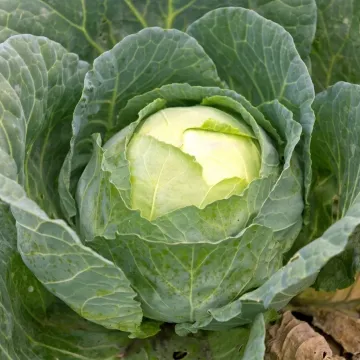
The origins of the Brassicaceae family are traced back to the Mediterranean region and parts of Asia, where they were domesticated thousands of years ago. Today, their range of cultivation extends to almost every climate zone, from temperate Northern Europe to arid regions of the Southern Hemisphere. Their wide adaptability has made them a cornerstone of global agriculture.
Botanically, these plants are identified by their four-petaled flowers arranged in a cross-like pattern, which serves as the primary diagnostic feature. They produce fruit in the form of a silique or silicle. Many species are biennial, developing a vegetative rosette in the first year and producing flowers and seeds in the second, although many modern cultivars are annuals bred for rapid harvest.
The cultivation requirements for Brassicaceae include fertile, well-draining soil with a near-neutral pH. They are notably sensitive to soil acidity, which can facilitate the spread of clubroot, a serious fungal disease. Consistent moisture and moderate temperatures are preferred, as high heat can negatively impact the quality and yield of leafy and cruciferous vegetable parts.
- Cruciferous flea beetles as primary pests
- Management of clubroot and downy mildew
- High density of planting and rotation needs
- Rich in antioxidants and glucosinolates
Economically, Brassicaceae plants serve various purposes: from fresh vegetable consumption to industrial oil production and green manure application. As cover crops, they are highly valued for their ability to suppress weeds and improve soil structure. Continuous research into disease-resistant varieties ensures that this family remains a pillar of food security and sustainable farming worldwide.