
Pseuderucaria
Pseuderucaria
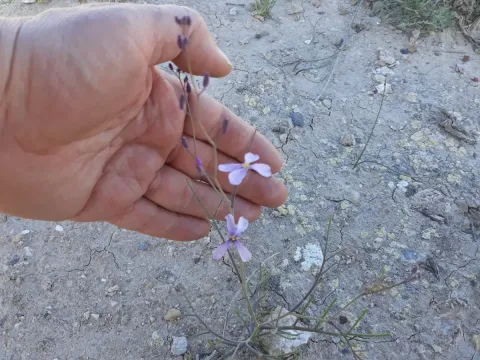
Pseuderucaria is a genus of herbaceous plants within the Brassicaceae family, primarily native to the arid environments of North Africa and Western Asia.
What the section contains

Pseuderucaria
This crop is highly adapted to extreme climates, utilizing rapid life cycles to complete seed production during the short periods of available moisture.
Seeds of Pseuderucaria possess natural dormancy mechanisms, which are vital for survival in desert conditions, requiring specific triggers for germination.
When cultivated, sowing should be timed to match seasonal patterns, typically early spring, to ensure optimal conditions for seedling establishment.
Uniform seed distribution is essential to maintain plant vigor, as overcrowding can lead to nutrient competition and stunted growth in low-fertility soils.
Pseuderucaria thrives in high-light conditions and requires full sun exposure to maintain its metabolic processes and avoid etiolation.
The ideal soil profile consists of sandy or rocky substrates with excellent drainage, as the plant is highly sensitive to waterlogging and anaerobic conditions.
This species shows remarkable tolerance to salinity and low nutrient levels, making it a potential candidate for soil stabilization in arid regions.
Temperature management is key; the plant performs best in a temperate to warm environment, generally avoiding prolonged exposure to frost or intense heat.
Water requirements are relatively low compared to conventional crops, emphasizing the need for irrigation strategies that avoid excessive soil saturation.
Cruciferous flea beetles represent the most significant pest pressure, as they target young foliage and can cause widespread damage to emerging crops.
Fungal pathogens, particularly those responsible for root rot, become prevalent if irrigation practices fail to allow the soil surface to dry between cycles.
Aphid infestations on flowering stalks can inhibit seed development, necessitating careful monitoring during the reproductive stages of the plant.
Effective management includes integrated pest control strategies, such as crop rotation with non-host species to break the life cycles of common pests.
Proper ventilation and field spacing are crucial for preventing the buildup of humidity, which serves as a catalyst for various foliar and soil-borne diseases.