
Psychine
Psychine
Sowing of Psychine is best performed in the spring season when soil temperatures reach 8–10 degrees Celsius. Optimal timing ensures that seeds have enough warmth to germinate rapidly without the risk of late spring frost damage.
What the section contains

Psychine
Seeds should be planted at a shallow depth of approximately 2–3 centimeters. Proper placement ensures that the seed can absorb sufficient moisture from the soil while still having the energy to push through to the surface.
A row-planting method is generally recommended to facilitate easier field management. Maintaining adequate distance between rows allows for efficient mechanical weeding and ensures that each plant has enough space to grow.
Once seedlings emerge, thinning is a crucial step to prevent plant competition for water and nutrients. Providing each plant with sufficient space promotes healthy growth and increases the overall biomass production.
Fall sowing is typically discouraged due to the risk of winter kill and frost heaving. Concentrating on spring sowing ensures more consistent establishment and better plant health throughout the vegetative cycle.
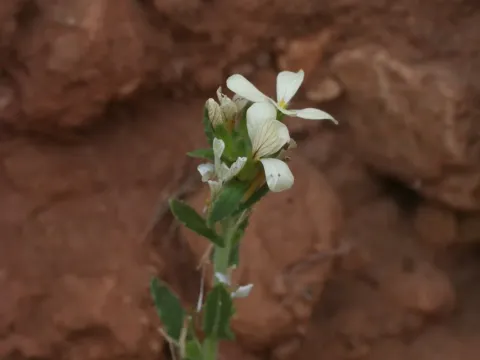
Psychine belongs to the Brassicaceae (mustard) family and is recognized as a rare plant species with specialized environmental adaptations. It is historically found in arid or semi-arid regions where soil conditions can be quite challenging for typical crops.
The plant thrives in well-drained, sandy or light loam soils that prevent waterlogging. It shows remarkable tolerance to poor soil quality and can even establish itself in slightly saline conditions, making it a potential candidate for marginal land.
Climate requirements for Psychine focus on plenty of sunlight and high thermal endurance. It is well-adapted to hot summers and can withstand prolonged dry spells once the root system is fully established.
Agronomic care for this crop involves balancing fertilization, with an emphasis on potassium to strengthen cell structure. This helps the plant survive temperature fluctuations and maintain its metabolic processes in dry weather.
While the plant is drought-tolerant, early-stage moisture management is vital. Providing supplemental irrigation during the initial weeks of growth can lead to much stronger, more vigorous plants later in the season.
Like many other members of the Brassicaceae family, Psychine is susceptible to common pests, especially flea beetles. These insects can cause significant damage to leaves if populations are not managed during the early growth stages.
Fungal diseases remain a primary threat, particularly when humidity levels are high or drainage is poor. Pathogens such as downy mildew or root rots can thrive if crop rotation practices are ignored for too long.
The best strategy for disease management is a strict crop rotation cycle of at least 3 to 4 years. Avoiding the replanting of Brassicaceae in the same location prevents the buildup of soil-borne pathogens and pests.
Weed management is an essential component of the farm's strategy. Weeds can serve as secondary hosts for pests that might eventually target the Psychine crop, making frequent field monitoring a priority.
Integrated pest management, including the use of biological control agents, is preferred over broad-spectrum pesticides. Protecting beneficial insects while maintaining a clean field environment ensures a sustainable and productive harvest.