
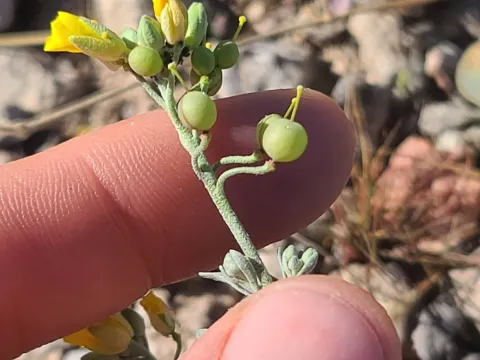
Physaria
Physaria
Physaria sowing is traditionally carried out in the autumn, allowing the seeds to undergo natural stratification in the soil. In temperate climate regions, the optimal sowing period is September or October, before the onset of persistent frost.
What the section contains

Physaria
Ensuring close contact between the seed and the soil substrate is crucial for high-quality germination, so rolling the field after sowing is recommended. The planting depth should be kept minimal, usually not exceeding 1–2 centimeters, to facilitate seedling emergence.
Spring sowing is only possible when using pre-stratified seed material, although autumn sowing typically shows higher field emergence rates. The crop is characterized by its ability to start growing early as soon as the first warm spring days arrive.
The planting density depends on the soil type and production goals, averaging about 3–5 million seeds per hectare. Maintaining optimal plant stand density helps reduce the level of intraspecific competition for nutrients and water.
Effective weed control is a critical factor at planting, as Physaria exhibits slow initial growth and can be easily overwhelmed by aggressive weed species during the early developmental stages.
Physaria belongs to the Brassicaceae family and is a relative of rapeseed, which determines its high light requirements. The crop prefers open fields with full sun exposure to support optimal oil synthesis within the seeds.
The plant has moderate soil requirements but thrives best in light, well-drained soils. Physaria demonstrates remarkable drought tolerance and is capable of growing in poor, rocky, or calcareous soils where other crops might fail.
A critical aspect of agrotechnics is maintaining a neutral to slightly alkaline soil pH, ranging between 6.5 and 8.0. Waterlogging in the root zone is detrimental to the plant's development and can lead to severe root rot issues.
The crop shows high adaptability to temperature fluctuations, making it suitable for cultivation in regions with continental climates. However, severe frost without snow cover may negatively impact the survival of autumn-sown stands.
Fertilization should be moderate, focusing on phosphorus and potassium complexes to strengthen the root system. Excessive nitrogen fertilization can lead to unnecessary vegetative growth at the expense of seed production and reproductive development.
The primary value of Physaria lies in the composition of its seeds, which contain unique hydroxylated fatty acids, particularly lesquerolic acid. This makes the crop a sought-after raw material for the biochemical and industrial lubricant sectors.
Yield potential depends on the specific species genetics and local growing conditions. At the current stage of crop development, commercial yields typically range from 0.8 to 1.5 tonnes per hectare in agricultural production settings.
The oil content in the seeds can reach 30–40%, making the crop economically attractive for niche markets. Consistent yield is supported by the plant's high drought resistance during the pod-filling stage.
Breeding programs are currently focused on increasing seed size and improving pod shatter resistance during maturation. The development of cultivars with synchronized maturity is crucial for increasing the efficiency of harvesting operations.
Overall production efficiency is determined not only by total mass harvested but also by the quality of the oil, which requires specific chemical processing to isolate the rare and valuable fatty acids.
As a member of the Brassicaceae family, Physaria is susceptible to pests typical of this plant group. Flea beetles are among the most dangerous threats, capable of destroying young seedlings in a very short period if left unchecked.
Fungal infections, such as powdery mildew and alternaria leaf spot, are the most common diseases, especially under high humidity conditions during flowering. Prevention involves strict crop rotation and timely fungicide application.
Aphid infestations can become critical during hot and dry weather, as they feed on the sap of young inflorescences, significantly reducing the number of pods set. Regular pest monitoring is a mandatory part of the management plan.
Weeds pose a serious threat during the initial stages of crop establishment. The use of selective herbicides requires extreme caution to avoid damaging the Physaria plants, which can be sensitive to certain chemical compounds.
Environmental risks also include damage from hail or strong winds before harvest, which may lead to seed shedding due to pod dehiscence. Choosing shatter-resistant cultivars is a key defensive strategy for farmers.
Harvest timing is determined by the stage when the majority of pods have turned brown and seed moisture content has dropped to optimal levels. Harvesting too early can result in significant yield losses due to incomplete seed maturation.
Harvesting technology typically involves direct combining, provided the crop has matured evenly across the field. In uneven stands, a two-phase process is used, where the plants are swathed and allowed to finish drying in the field.
Careful adjustment of combine settings is necessary to minimize the crushing of the small seeds and to prevent losses through the sieves. Drum speed must be precisely calibrated based on the moisture content of the harvested material.
After threshing, seeds require immediate cleaning of plant debris and drying to a moisture level of 8–10% for long-term storage. Using mobile grain dryers helps prevent crop spoilage in high-humidity conditions.
Storage of Physaria seeds must be conducted in dry, well-ventilated facilities protected from rodents and stored-product pests. When maintained at the correct moisture levels, the seeds retain their high oil quality for extended periods.