
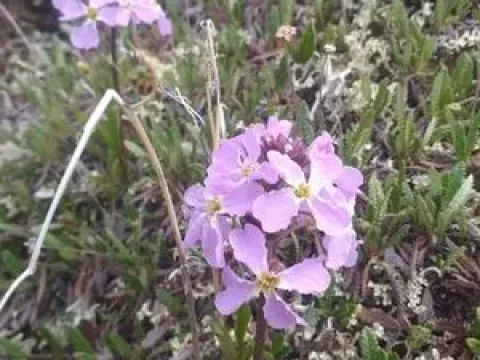
Parrya
Parrya
The genus Parrya, belonging to the Brassicaceae family, consists of perennial herbs known for their remarkable resilience in alpine and arctic climates.
What the section contains

Parrya
These plants typically grow in rosettes of fleshy leaves, with inflorescences that rise quickly as the short growing season begins in high-altitude environments.
Botanical classification highlights their adaptation to extreme environments, including specialized root systems designed to anchor plants in scree slopes or thin, nutrient-poor alpine soils.
Successful cultivation of Parrya requires well-draining soil with a high mineral content, mimicking their native rocky habitats to ensure healthy root development.
The plants exhibit a strong requirement for full sunlight and excellent air circulation, as high humidity and stagnant conditions can significantly inhibit their growth and vigor.
The primary threat to the health of Parrya species involves fungal infections that thrive when moisture levels in the substrate are poorly controlled or excessive.
Root rot remains the most common issue, often caused by inadequate drainage and soil compaction, which denies necessary oxygen to the plant's robust root system.
In certain environments, flea beetles can become a nuisance by damaging the foliage, requiring careful monitoring especially during the early stages of plant development.
Viruses and other systemic diseases are less common but can occur if the plant is stressed by extreme temperature fluctuations or inconsistent watering schedules.
Effective management includes maintaining a dry, well-aerated soil surface and applying preventive cultural practices to avoid the conditions where pests and pathogens flourish.