
Purple wallflower
Erysimum purpureum
Description
Growing requirements
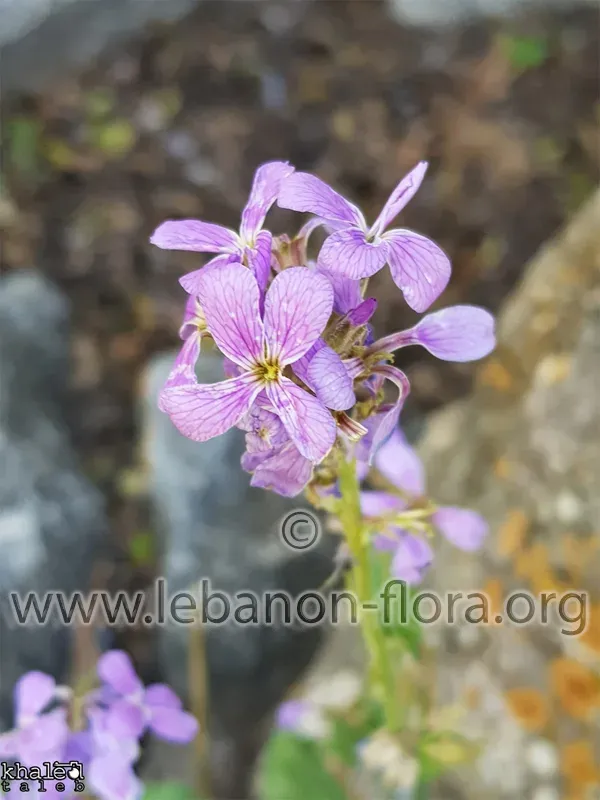
Erysimum purpureum, commonly known as the purple wallflower, is a perennial herbaceous plant belonging to the Brassicaceae family. It is native to high-altitude areas where it has adapted to harsh environmental conditions and rocky soils.
The plant features a distinct botanical structure, including an upright stem, narrow leaves, and purple flowers arranged in terminal racemes. Its root system is exceptionally strong, designed to penetrate compact soil layers to access deep-seated moisture.
Climate requirements for this culture include high levels of solar radiation and moderate temperatures during the growing season. While it is hardy and capable of surviving cold winters, it thrives best in open, well-ventilated fields that prevent overheating and stagnant air.
When it comes to soil management, the crop requires well-drained substrates. Light, calcareous or sandy loam soils are ideal. Good drainage is critical for successful cultivation, as the plant is highly sensitive to moisture saturation and root rot.
The primary economic use of this plant lies in its pharmaceutical potential. It is harvested as a source of cardiac glycosides, which are used in the production of specialized heart-strengthening medications and treatments for circulatory failure.
Main diseases and pests
The crop is prone to various physiological stress symptoms if the environmental balance is disrupted. Fungal infections, such as powdery mildew, often appear if the planting density is too high or if air circulation between plants is insufficient.
Insect pests, specifically those targeting cruciferous plants, include aphids and flea beetles. Integrated pest management strategies are often required to protect the leaf biomass, which is the primary part of the plant used for harvesting pharmaceutical extracts.