
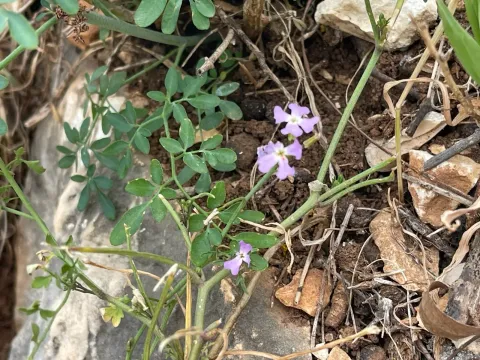
Ricotia
Ricotia
Ricotia is a genus of herbaceous plants belonging to the Brassicaceae family. In an agronomic context, the crop is primarily valued as an ornamental or ground cover plant, meaning sowing dates are dictated by the specific variety and local climatic conditions.
What the section contains


Ricotia
Seeds are typically sown in early spring into open ground once the soil has warmed to consistent positive temperatures. Winter sowing is also permissible in regions with mild climates to ensure earlier flowering.
For successful germination, a light and well-drained substrate is recommended. The optimal seeding depth is no more than 0.5–1 cm, as the seeds are small and require surface placement to ensure adequate light exposure.
Once seedlings emerge, thinning is necessary to maintain a spacing of approximately 20–30 cm between plants. This measure prevents overcrowding, which could lead to fungal infections during periods of high humidity.
For indoor propagation or starter plants, seeds should be sown in trays 4–6 weeks before the anticipated transplant date. The plants generally tolerate transplanting well, provided the root ball remains undisturbed.
The plant has moderate environmental requirements, preferring sunny locations with high light intensity. In low-light conditions, the plants tend to become leggy, losing their compact habit and overall aesthetic appeal.
Soil should be neutral or slightly alkaline, with a light mechanical composition. Sandy or loamy soils with excellent permeability are ideal, as waterlogging is detrimental to the delicate root system.
Ricotia shows high drought tolerance, making it an excellent candidate for rock gardens and xeriscaping. Irrigation should be moderate and performed only when the top layer of soil has dried out significantly.
Adapted to mountainous origins, the plant naturally responds well to temperature fluctuations between day and night. It does not require intensive fertilization with mineral fertilizers.
Incorporating organic matter during soil preparation is generally sufficient to support healthy growth throughout the season. Excessive nitrogen application may cause over-development of vegetative mass at the expense of flowering.
Like all members of the Brassicaceae family, Ricotia is susceptible to typical cruciferous diseases, including clubroot and powdery mildew. Excess soil moisture remains the primary risk factor for these conditions.
Among pests, cruciferous flea beetles pose the greatest threat, as they can quickly destroy young sprouts. Regular field inspections are recommended to facilitate the early detection of these insects.
During rainy summers, root neck rot may occur. Preventive measures include ensuring proper air circulation between plants and strictly adhering to recommended irrigation schedules.
Aphids may infest flower buds during peak growth periods, which diminishes the ornamental value of the crop. In cases of heavy infestation, approved systemic insecticides are utilized.
To prevent the spread of pests, it is essential to control weed growth, especially other cruciferous weeds, which may serve as alternate hosts for common plant pathogens.