
Pachyphragma
Pachyphragma
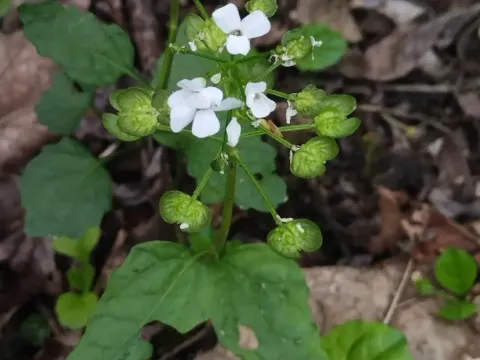
Pachyphragma, specifically the species Pachyphragma macrophyllum, belongs to the Brassicaceae family. It is a perennial herbaceous plant that naturally occurs in the forests of the Caucasus and Turkey.
What the section contains

Pachyphragma
The culture prefers semi-shaded or shaded areas with loose, humus-rich forest soil. It is highly moisture-loving and does not tolerate drought periods well, requiring stable hydration throughout the growing season.
In climatic terms, Pachyphragma is quite hardy to low temperatures, as it is a forest-type plant. Optimal conditions for its development are a moderately cool climate with no sharp fluctuations in air humidity.
The soil substrate should have a slightly acidic or neutral reaction. It is important to ensure good drainage, as stagnant water can provoke root system rot, despite the plant's love for moisture.
The economic value of Pachyphragma is primarily ornamental. Due to its large heart-shaped leaves and early spring flowering, it is used in landscape design to decorate shady flower beds and woodland gardens.
The main threats to the plant are fungal diseases that develop in high humidity and lack of air circulation. Regular weeding and controlling planting density help reduce the risks of powdery mildew.
Pests such as slugs and snails pose a serious danger, especially in damp spring weather when young shoots are most vulnerable to damage.
Damage to rhizomes by soil pests occurs less frequently but requires attention during the active growth period. Preventive mulching helps keep the soil in a healthy state.
Timely removal of affected leaves contributes to preventing the spread of infections within groups of plants. An integrated protection system includes the use of biological agents against pests typical of crucifers.
It is important to monitor the general condition of the plants: yellowing or wilting leaves often signal not disease, but a disruption of the soil moisture balance, making the care of this crop quite specific.