
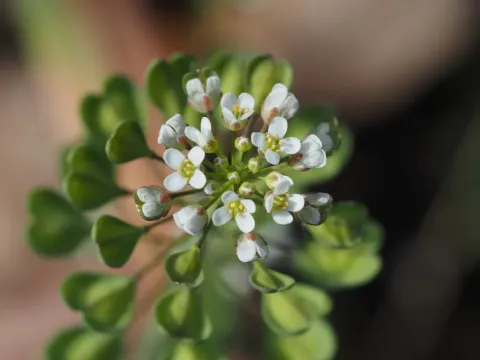
Raparia
Raparia
Sowing of Raparia is recommended in the spring period as soon as the soil warms up to a stable 10–12 degrees Celsius. The optimal time usually falls in mid-April when the risk of night frosts, which can damage seedlings, has passed.
What the section contains
Raparia
For high-quality sowing, it is essential to ensure a fine-textured soil structure to allow seeds to adhere firmly to the ground. The sowing depth should be 2–3 centimeters, which facilitates uniform germination and the development of a robust root system.
Raparia is characterized by strong germination energy, yet it requires sufficient moisture in the first weeks after sowing. Failure to meet deadlines can lead to thinning stands and weed competition during the early stages of vegetation.
The recommended seeding rate is calculated based on the crop's purpose and soil fertility. Usually, a row-sowing method with 15–20 centimeter spacing between rows is used to provide optimal nutrition area for each plant.
Field preparation begins with autumn plowing and the application of basic mineral fertilizers. In spring, pre-sowing cultivation is carried out to preserve moisture and remove weed sprouts, creating an ideal seedbed.
The crop has moderate climate requirements, preferring regions with sufficient rainfall during the summer months. Raparia is capable of adapting to various soil types but performs best in fertile black soils and light loams.
For normal development, the plant requires a neutral or slightly acidic soil pH. In areas with high acidity, preliminary liming is necessary, as this directly affects the availability of nutrients from the soil.
The optimal temperature for vegetation is 18–22 degrees, while the crop exhibits some resistance to short-term dry spells. Intense lighting is a critical factor for the accumulation of biomass.
The fertilizer system should be based on a balance of nitrogen, phosphorus, and potassium. Nitrogen application at the beginning of the active growth phase allows for a significant increase in vegetative mass, which is particularly relevant when using the crop for green fodder.
A crucial aspect is crop rotation. Raparia responds well to predecessors such as cereal crops, and it is not recommended to grow it in the same location for more than two years to prevent the accumulation of specific pathogens in the soil.
The yield of Raparia directly depends on the agronomic background and water availability during critical development phases. Following all recommendations can result in a stable output of high-quality green mass.
Average green mass yields range from 20 to 35 tons per hectare depending on seasonal conditions. Intensive nutrition allows for achieving maximum values on irrigated lands.
When harvesting for seeds, productivity is about 1.5–2.5 tons per hectare. It is important to monitor the ripening stage to avoid massive seed shedding, which significantly reduces the final harvested volume.
During cultivation, it is recommended to conduct regular monitoring of crop status to make timely adjustments to care. High stand density ensures weed suppression, which also contributes to increasing net productivity.
Factors that reduce yield include soil compaction and delayed pest control. Ensuring root zone aeration through timely row cultivation positively affects the biomass growth rate.
The primary danger to young crops is posed by soil pests such as wireworms and weevil larvae. To combat them, seed treatment with systemic insecticides prior to sowing is applied.
During the vegetation period, leaf-eating insects can cause significant damage. Upon detecting the first signs of infestation, crops must be sprayed with permitted insecticidal agents in accordance with regulations.
Among fungal diseases, root rots are the most common, occurring under conditions of soil waterlogging. Preventive measures include strict adherence to irrigation norms and high-quality drainage preparation on the site.
Powdery mildew can affect leaves during periods of sharp temperature fluctuations and high humidity. Protection involves using preventive and curative fungicides that prevent the spread of spores.
Integrated crop protection is based on the combination of agronomic and chemical methods. It is important to rotate preparations with different mechanisms of action to avoid the development of resistance in pests and pathogens.
Green mass harvesting is carried out during the early budding phase when the plant contains the maximum amount of nutrients. This ensures the best fodder value for livestock.
For seed harvesting, one should wait for the lower pods to turn brown. Mechanical harvesting is performed by direct combining at optimal plant moisture to minimize losses during threshing.
Post-harvest seed processing includes mandatory cleaning of impurities and drying to a conditional moisture level, usually 12–14 percent. Storage of seed material requires ventilated and dry facilities.
If the crop is used as a green manure, it is tilled into the soil during the active flowering phase. This method enriches the soil layer with organic matter and improves the physical and chemical properties of the soil for subsequent crops.
Operational harvesting is the key to maintaining product quality. Delays in getting equipment into the field lead to overripening, leaf loss, and a significant decrease in stem nutritional properties.