
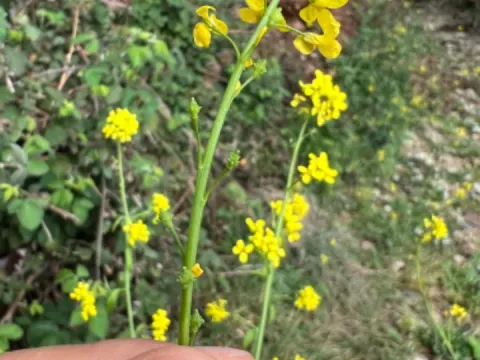
Ochthodium
Ochthodium
Ochthodium is a genus of herbaceous plants within the Brassicaceae family. While not a primary agricultural commodity on a global scale, it is recognized in botanical studies for its specific growth patterns and potential for regional cultivation in temperate environments.
What the section contains
Ochthodium
The sowing process is typically scheduled for early spring, once the soil temperature is consistently above 5°C. This timing allows the plant to take full advantage of moisture reserves in the soil, which is essential for uniform germination and early establishment.
Seeds should be planted at a shallow depth to ensure they receive enough light and do not exhaust their energy reserves before emerging. A standard row spacing of about 15-20 cm is generally recommended to provide each plant with adequate space for root development.
Given the nature of its seeds, field preparation must be thorough to ensure the seedbed is fine and friable. This reduces the risk of irregular emergence and helps the crop compete against initial weed pressure in the field.
As the plant is characterized by its cold-hardiness, early sowing helps the crop mature before the onset of extreme summer heat, which can significantly affect seed set and overall biomass accumulation.
Ochthodium thrives in well-drained, fertile soils with a neutral pH. While it can adapt to various soil types, loamy soils that hold moisture without becoming waterlogged are considered optimal for consistent performance.
The crop requires full sun exposure to reach its maximum productivity. In shaded environments, the plants tend to become spindly, and flower formation is often delayed or significantly reduced, impacting total yield.
Water requirements are highest during the stem elongation and flowering phases. Providing supplemental irrigation during dry spells in these sensitive stages is highly recommended to maintain healthy physiological processes.
Agronomic management should emphasize nutrient balance, specifically targeting phosphorus and potassium availability. These elements are crucial for strengthening the plant structure and supporting the reproductive phase of growth.
Weed control is vital during the first 3-4 weeks of growth. Using mechanical cultivation between rows helps improve soil aeration and prevents weeds from outcompeting the crop for essential nutrients and sunlight.
The main disease risks for Ochthodium are related to fungal pathogens such as downy mildew and various rots. These diseases are exacerbated by high humidity levels and poor circulation within the canopy, making management of plant density a priority.
Pest management focuses largely on crucifer pests, most notably flea beetles. These insects can devastate young seedlings in a very short time, requiring prompt identification and, if necessary, the application of approved insecticides.
Aphid infestations are also possible, particularly during the budding phase. These pests can cause significant stunting and deformities, which reduce both the quality and quantity of the final produce.
Implementing a proper crop rotation plan is the most effective preventative strategy. Avoiding Brassicaceae crops in consecutive seasons helps break the life cycles of soil-borne pathogens and specialized pests.
- Monitoring for leaf damage to enable early intervention.
- Ensuring adequate spacing to improve airflow around the plants.
- Using certified seeds to reduce the risk of seed-borne diseases.