
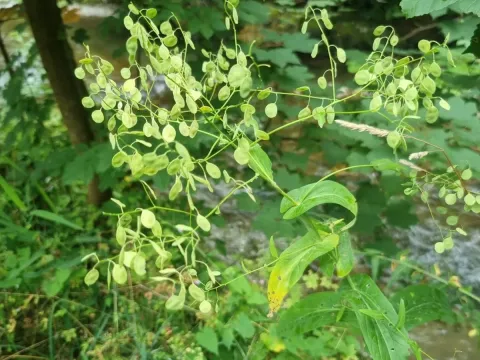
Peltaria
Peltaria
Peltaria is a genus within the Brassicaceae family that requires specific conditions for successful establishment. Seeds should be sown in early spring, once the soil has warmed up to about 5-8 degrees Celsius to trigger consistent germination.
What the section contains


Peltaria
For optimal results, prepare a fine, well-aerated seedbed before sowing. The seeds should be planted at a shallow depth of approximately 1.5 to 2 centimeters to ensure proper germination without exhausting the seedling's energy reserves.
Row spacing is critical; maintaining a distance of 30–40 centimeters ensures that each plant has enough space to develop fully without excessive competition for nutrients or light.
Thinning the seedlings is a necessary maintenance step. When plants reach the 3–4 true leaf stage, they should be thinned to leave 15–20 centimeters between individual specimens to maximize air circulation.
Early-season weed control is vital as young Peltaria plants grow relatively slowly and can be easily outcompeted by more aggressive weeds.
Peltaria thrives in sunny locations with well-drained, fertile, sandy-loam or light loamy soils. It does not tolerate shade well, as reduced light levels lead to etiolated stems and poor overall plant vigor.
Soil pH should ideally be neutral or slightly alkaline. In acidic soils, liming may be necessary to optimize nutrient availability for the growing crop.
Water management is essential for this culture. While it needs consistent moisture for vegetative growth, it is highly sensitive to waterlogging, which often leads to root and crown rot.
The plant is well-adapted to temperate climates and demonstrates resilience against cold temperatures and light frost during the early parts of the growing season.
Balanced fertilization, preferably with organic matter such as well-rotted compost applied before planting, promotes healthy growth and higher yields of vegetative material.
Common pests for Peltaria include the crucifer flea beetle, which can cause significant damage to young seedlings. These pests are particularly active during warm, dry weather conditions.
Slugs and snails can pose a threat, particularly in dense plantings or areas with high moisture, as they feed on the succulent leaves of the plants.
Clubroot is a serious fungal soil-borne disease that affects many members of the Brassicaceae family. It causes swelling of the roots and eventual plant decline, making crop rotation essential.
Downy mildew and powdery mildew can also occur if humidity levels remain too high for extended periods, especially when plant density is too high, hindering airflow.
Integrated pest management, including regular scouting and maintaining clean gardening practices by removing old plant debris, is the best strategy for maintaining a healthy crop.