
Pseudovesicaria
Pseudovesicaria
Pseudovesicaria is a monotypic genus of flowering plants belonging to the Brassicaceae family. It is strictly a wild botanical specimen and is not classified as an agricultural crop or a plant used for commercial cultivation.
What the section contains

Pseudovesicaria
The plant originates from the high-mountain regions of the Caucasus. It typically inhabits rocky slopes and alpine meadows, ecosystems characterized by harsh conditions, high solar radiation, and limited soil development.
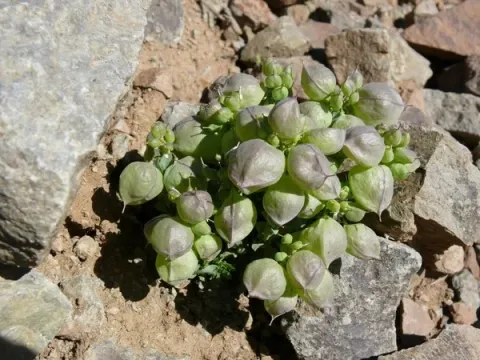
Botanically, it is a perennial herb with specialized adaptations for stability in unstable mountain substrates. The genus derives its name from its distinctive, inflated fruit pods that serve as a diagnostic feature for identification.
Regarding its environmental requirements, the plant demands excellent drainage and high levels of ambient light. It is highly intolerant of typical garden soils, which are often too rich in nutrients and retain too much moisture for this alpine species.
Due to its status as a rare mountain plant, there are no established agricultural practices, harvest cycles, or pest management strategies for Pseudovesicaria. Its preservation remains a priority for botanical conservation rather than agronomic exploitation.