


SKU #70956
·
36 views
KAZACHINSKAYA 182
Fescue
User rating
0 votes0% positive reviews
No ratings yet — be the first.
Type
Oat grass
Assignment
Feed
Plant Height
60-100
Registration year
1978
About product

A resilient Siberian-bred variety offering consistent yields and exceptional survival in harsh winter climates.
Type
Oat grass
Assignment
Feed
Plant Height
60-100
Registration year
1978
Description
Siberian Breeding for Reliable Forage
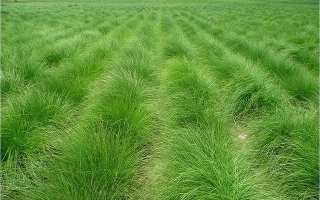
Meadow fescue 'Kazachinskaya 182' is a product of the Federal Research Center of the Siberian Branch of the Russian Academy of Sciences, engineered for challenging environments. Unlike imported varieties that often fail to survive harsh continental winters, this cultivar offers superior resilience and winter hardiness.
Why choose this variety?
- Exceptional Winter Hardiness: Its deep root system is designed for freezing soil conditions, ensuring that the sward remains dense and productive for 5 to 7 years.
- High Biomass Potential: Reaching a height of 60–100 cm, this fescue provides a reliable yield. It exhibits vigorous regrowth after mowing, allowing for multiple harvests per season given adequate moisture levels.
- Nutritional Value: The variety features high leafiness, which enhances the palatability of hay and silage. Livestock prefer it over many wild grasses because the stems remain tender even as the plant matures.
Optimal Application
'Kazachinskaya 182' is an excellent investment for farms operating in high-risk climatic zones. While many high-input hybrids struggle with Siberian or Ural winters, this variety remains consistent. It performs best on fertile, moist soil; while it is not the most tolerant to poor, sandy soils, its performance on heavy, nutrient-rich ground makes it a staple for long-term forage production.
Specifications
| Type | |
|---|---|
| Assignment | |
| Plant Height | 60-100 |
| Registration year | 1978 |
| Catalog | Catalog → Fescue |
| Legal data |
Show · 1 |
| Country | Russia |
Store offers
Prices are updated on loadLoading offers…
Aggregator catalog: prices are collected automatically from store websites, normalized by AI and converted at the current exchange rate. Before ordering, confirm the price and availability on the store's website. This block is not indexed by search engines — the data is loaded after the page opens.
Not yet комментариев. Be the first!
Alternatives
Fescue seeds · similar varieties





See also
Often considered together with this variety






Recently viewed
Products you’ve viewed on this site
Reviews · 0