

Reference · Diseases
Bacterial diseases
Bacterial plant diseases are caused by various phytopathogenic bacteria, including species of Erwinia, Xanthomonas, and Pseudomonas. These microorganisms act as parasites, invading the plant host through natural openings or wounds created by pests, hail, or agricultural tools. Once inside, they reproduce rapidly, producing enzymes that degrade cell walls and cause tissue breakdown.
996
items
What the section contains
 Anabaena
Anabaena circinalis
Anabaena circinalis
Anabaena
Anabaena
Anabaena circinalis
Anabaena circinalis
 Anabaena cylindrica
Anabaena fullebornii
Anabaena fullebornii
Anabaena inaequalis
Anabaena inaequalis
Anabaena cylindrica
Anabaena cylindrica
Anabaena fullebornii
Anabaena fullebornii
Anabaena inaequalis
Anabaena inaequalis
 Anabaena sphaerica
Anabaena sphaerica
Anabaena sphaerica
 Anabaena spiroides
Anabaena unispora
Anabaena unispora
Anabaena spiroides
Anabaena spiroides
Anabaena unispora
Anabaena unispora
 Anacystis
Anacystis montana
Anacystis montana
Anaplasmosis of plants
Anaplasmataceae
Anaplasmosis of plants
Anaplasma
Anacystis
Anacystis
Anacystis montana
Anacystis montana
Anaplasmosis of plants
Anaplasmataceae
Anaplasmosis of plants
Anaplasma
 Angular leaf spot of strawberry
Xanthomonas fragariae
Angular leaf spot of strawberry
Xanthomonas fragariae
 Aphanizomenon
Aphanizomenon flos-aquae
Aphanizomenon flosaquae
Aphanizomenon
Aphanizomenon
Aphanizomenon flos-aquae
Aphanizomenon flosaquae
 Aphanizomenon holsaticum
Aphanizomenon holsaticum
Aphanizomenon holsaticum
 Aphanocapsa
Aphanocapsa
Aphanocapsa
 Aphanocapsa delicatissima
Aphanothece
Aphanothece
Aphanocapsa delicatissima
Aphanocapsa delicatissima
Aphanothece
Aphanothece
 Aphanothece stagnina
Aphanothece stagnina
Aphanothece stagnina
 Arsenophonus
Arsenophonus
Arsenophonus
 Arsenophonus nasoniae
Arthrobacter aurescens
Arthrobacter aurescens
Arthrobacter disease
Arthrobacter
Arsenophonus nasoniae
Arsenophonus nasoniae
Arthrobacter aurescens
Arthrobacter aurescens
Arthrobacter disease
Arthrobacter
 Arthrobacter globiformis
Arthrobacteriosis
Arthrobacter agilis
Arthrospira
Arthrospira
Arthrospira platensis
Arthrospira platensis
Arthrobacter globiformis
Arthrobacter globiformis
Arthrobacteriosis
Arthrobacter agilis
Arthrospira
Arthrospira
Arthrospira platensis
Arthrospira platensis
 Asian bacterial pear blight
Erwinia pyrifoliae
Avian borreliosis
Borrelia anserina
Azospirillum
Azospirillum
Azospirillum brasilense
Azospirillum brasilense
Azospirillum lipoferum
Azospirillum lipoferum
Azotobacter
Azotobacter
Azotobacter chroococcum
Azotobacter chroococcum
Asian bacterial pear blight
Erwinia pyrifoliae
Avian borreliosis
Borrelia anserina
Azospirillum
Azospirillum
Azospirillum brasilense
Azospirillum brasilense
Azospirillum lipoferum
Azospirillum lipoferum
Azotobacter
Azotobacter
Azotobacter chroococcum
Azotobacter chroococcum
 Azotobacter vinelandii
Azotobacter vinelandii
Azotobacter vinelandii
 Bacillary bacterioses
Bacillales
Bacillary bacterioses
Bacillales
 Bacillosis
Bacillaceae
Bacillus altitudinis
Bacillus altitudinis
Bacillosis
Bacillaceae
Bacillus altitudinis
Bacillus altitudinis
 Bacillus amyloliquefaciens
Bacillus cereus
Bacillus cereus
Bacillus firmus
Bacillus firmus
Bacillus amyloliquefaciens
Bacillus amyloliquefaciens
Bacillus cereus
Bacillus cereus
Bacillus firmus
Bacillus firmus
 Bacillus licheniformis
Bacillus licheniformis
Bacillus licheniformis
 Bacillus megaterium
Bacillus mycoides
Bacillus mycoides
Bacillus pasteurii
Bacillus pasteurii
Bacillus pumilus
Bacillus pumilus
Bacillus sphaericus
Bacillus sphaericus
Bacillus thermoamyloliquefaciens
Bacillus thermoamyloliquefaciens
Bacillus megaterium
Bacillus megaterium
Bacillus mycoides
Bacillus mycoides
Bacillus pasteurii
Bacillus pasteurii
Bacillus pumilus
Bacillus pumilus
Bacillus sphaericus
Bacillus sphaericus
Bacillus thermoamyloliquefaciens
Bacillus thermoamyloliquefaciens
 Bacillus thuringiensis
Bacillus velezensis
Bacillus velezensis
Bacillus thuringiensis
Bacillus thuringiensis
Bacillus velezensis
Bacillus velezensis
 Bacterial blight of dyer's woad
Xanthomonas dyei
Bacterial blight of dyer's woad
Xanthomonas dyei
 Bacterial blotch of mushrooms
Pseudomonas agarici
Bacterial blotch of mushrooms
Pseudomonas agarici
 Bacterial blotch of mushrooms
Pseudomonas tolaasii
Bacterial blotch of mushrooms
Pseudomonas tolaasii
 Bacterial brown stripe
Acidovorax avenae
Bacterial brown stripe of rice
Acidovorax oryzae
Bacterial brown stripe
Acidovorax avenae
Bacterial brown stripe of rice
Acidovorax oryzae
 Bacterial canker of poplar
Xanthomonas populina
Bacterial canker of poplar
Xanthomonas populina
 Bacterial disease
Bacteroides fragilis
Bacterial disease
Bacteroides fragilis
 Bacterial fasciation
Rhodococcus fascians
Bacterial fasciation
Rhodococcus fascians
 Bacterial grain rot of rice
Burkholderia glumae
Bacterial grain rot of rice
Burkholderia glumae
Marketplace
Products in this section · 12




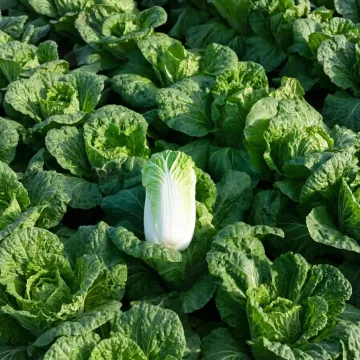
Bacterial diseases
These diseases affect a wide array of crops, ranging from vegetables and cereals to ornamental plants and fruit trees. Economically significant crops such as potatoes, tomatoes, cucumbers, and stone fruits are particularly susceptible. The impact ranges from localized spots and blight to systemic wilting that can lead to rapid crop failure and total death of the host plant.
Symptomatology varies widely depending on the pathogen but frequently includes water-soaked lesions, soft rots with a distinct foul odor, systemic wilting, and gall formation. In many cases, a bacterial ooze or slime is visible on the surface of infected tissues, which serves as a reservoir for the bacteria to spread further under favorable conditions.
Development and spread of bacterial diseases are highly favored by high humidity, rainfall, and moderate to warm temperatures. Bacteria can be disseminated by wind-blown rain, contaminated water, insect vectors, and human activity. Infected seeds and planting material are common long-distance transmission vectors, while soil serves as a reservoir for many soil-borne bacterial pathogens.
Management of bacterial plant diseases is primarily preventive, as curative treatments are often ineffective once the infection is established. Integrated Pest Management (IPM) practices are essential to mitigate losses and maintain crop viability.
- Planting certified disease-free seeds and seedlings
- Implementing strict crop rotation schedules
- Sanitizing tools to prevent cross-contamination
- Applying copper-based bactericides as a protective measure