
Description
Symptoms
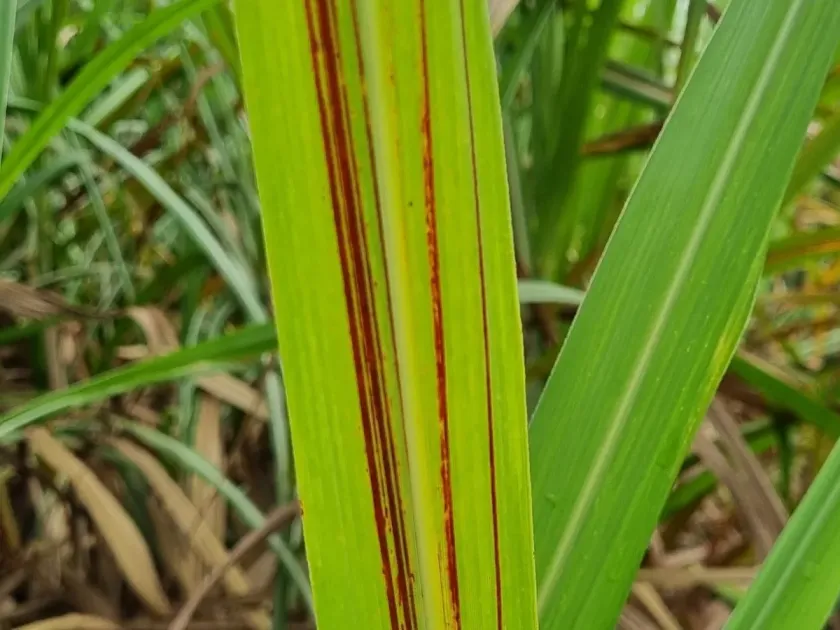
Symptoms typically appear as narrow, water-soaked, dark-brown stripes running along the leaf veins, which is the primary identifier.
Over time, these stripes may coalesce, causing the leaf tissue to turn yellow and eventually undergo necrosis, leading to premature plant death.
Under conditions of high humidity, a distinctive bacterial ooze may form on the surface of the lesions, eventually drying into a crust.
When the infection reaches the sheath or the panicles, it causes discoloration, shriveling of the grain, and overall poor plant vigor.
Severe infestations often result in sterile panicles, which drastically reduce the total number of healthy grains produced by the crop.
Pathogen
Bacterial brown stripe is a destructive disease affecting rice crops, caused by the rod-shaped bacterium Acidovorax avenae.
This pathogen specifically targets the vascular tissue and parenchyma of the host plant, disrupting vital physiological processes.
The bacteria persist in soil, infested plant debris, and within rice seeds, acting as the primary source of inoculum for new infections.
Transmission occurs through irrigation water, splash dispersal during rain, and contaminated agricultural tools used in field operations.
The bacterium is highly adaptable to various environmental conditions, enabling it to survive in alternative weed hosts during off-seasons.
Conditions for development
Warm and humid environments are the most critical factors for the rapid development and spread of Acidovorax avenae.
The optimal temperature range for bacterial proliferation is between 25°C and 30°C, which coincides with the active growing season of rice.
Frequent rain events or poorly managed irrigation systems that lead to standing, stagnant water facilitate the movement of bacteria.
High nitrogen application rates promote lush, succulent plant growth, which is significantly more susceptible to bacterial penetration.
Physical injuries caused by insects or mechanical handling provide easy entry points for the pathogen to establish a systemic infection.
Why it matters
The disease significantly impacts grain yield by reducing the photosynthetic capacity of the rice plant during its critical filling stage.
Grain quality is severely compromised, resulting in lightweight, discolored seeds that often fail to meet market standards for milling.
The presence of infested seeds ensures the disease cycle continues, creating an economic burden for farmers through repeated seed treatments.
Plants weakened by bacterial infections are more prone to secondary attacks by fungal pathogens, leading to complex crop management issues.
Large-scale outbreaks can cause substantial economic losses for rice-producing regions, threatening local food security and livelihoods.
Protection
The use of certified, disease-free seed lots is the most effective primary measure to prevent the introduction of the pathogen into new fields.
Implementing a strict crop rotation schedule helps to break the disease cycle by reducing the density of bacteria in the soil.
Proper water management and ensuring adequate drainage can significantly reduce the moisture levels required for bacterial multiplication.
Balanced fertilization, avoiding excessive nitrogen, improves the physical robustness and internal defenses of the rice plant.
If an outbreak is detected, prompt removal and destruction of infected plants can help to localize the spread and minimize damage.
Pathogens and affected parts
Affects crops · 1
Discussion
No discussions yet — be the first.