
Aphanizomenon
Aphanizomenon
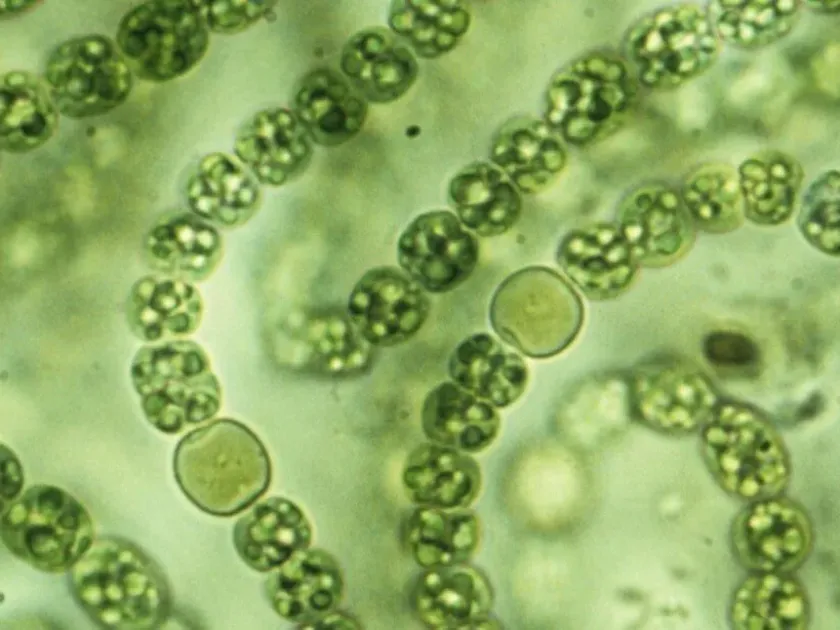
Description
Symptoms
The first indicator of a problem is a change in water clarity, which often turns a cloudy, murky blue-green color.
A noticeable slimy, foamy layer frequently develops on the water surface, reducing the oxygen diffusion rate in the root zone.
Crops exposed to infected irrigation water often show systemic weakness, including stunted growth and distinct yellowing (chlorosis) of the leaves.
Equipment inspection reveals sticky, greenish-grey biofilms clinging to the inner surfaces of pipes and pumps, which are often difficult to rinse off.
In dry states, these mats form brittle flakes that can be carried by air currents, facilitating the re-contamination of clean water sources.
Pathogen
Aphanizomenon is a genus of filamentous cyanobacteria (blue-green algae) that poses significant risks to high-tech agriculture, particularly in hydroponic and aquaponic setups.
These organisms are known for their nitrogen-fixing capabilities, which allow them to thrive in water environments where essential nutrients might otherwise be limiting.
Although they play a role in natural ecosystems, in agricultural water supply systems, they act as unwanted biological agents that can interfere with crop production.
Aphanizomenon reproduces via akinetes—thick-walled dormant cells—which can persist in unfavorable conditions and germinate rapidly when provided with light and warmth.
The filamentous nature of these bacteria allows them to form complex mats that can easily clog irrigation piping, injectors, and nozzles.
Conditions for development
The proliferation of Aphanizomenon is primarily driven by elevated phosphate levels and organic matter accumulation within water reservoirs.
Warm water temperatures (ranging from 20°C to 30°C) combined with high light intensity significantly accelerate the growth rate of these cyanobacteria.
Stagnant water conditions and low levels of dissolved oxygen create a perfect environment for Aphanizomenon to outcompete beneficial microflora.
Lack of proper light protection on water tanks allows for photosynthesis, triggering rapid blooms in otherwise nutrient-rich hydroponic solutions.
Failure to implement regular sanitation protocols in water circulation systems contributes to the rapid buildup of the pathogen population.
Why it matters
Cyanobacteria release secondary metabolites and toxins that can inhibit the metabolic processes of cultivated plants, leading to significant yield losses.
Physical accumulation of algae mats results in clogged irrigation equipment, leading to uneven water distribution and potential system failure.
The depletion of dissolved oxygen caused by these organisms places the root systems under severe stress, making them susceptible to opportunistic rot diseases.
The chemical composition of the nutrient solution can be altered by the activity of these bacteria, making it harder for the plant to uptake necessary minerals.
The economic impact is compounded by the need for frequent replacement of nutrient solutions and the high costs associated with professional system cleaning.
Protection
Maintaining a high standard of system hygiene is critical, including the regular application of safe disinfecting agents to prevent biofilm development.
Installing UV-C sterilization systems in the water circulation loop is one of the most effective ways to neutralize cyanobacteria and their spores.
Implementing light-blocking covers on all water storage tanks is essential to deprive these organisms of the light energy required for photosynthesis.
Active aeration and constant movement of the nutrient solution prevent Aphanizomenon from settling and forming dense, problematic mats.
- Use of micron filters to trap spores.
- Regular testing of water for nutrient imbalances.
- Immediate isolation of contaminated water zones.
Discussion
No discussions yet — be the first.