
Aphanocapsa delicatissima
Aphanocapsa delicatissima
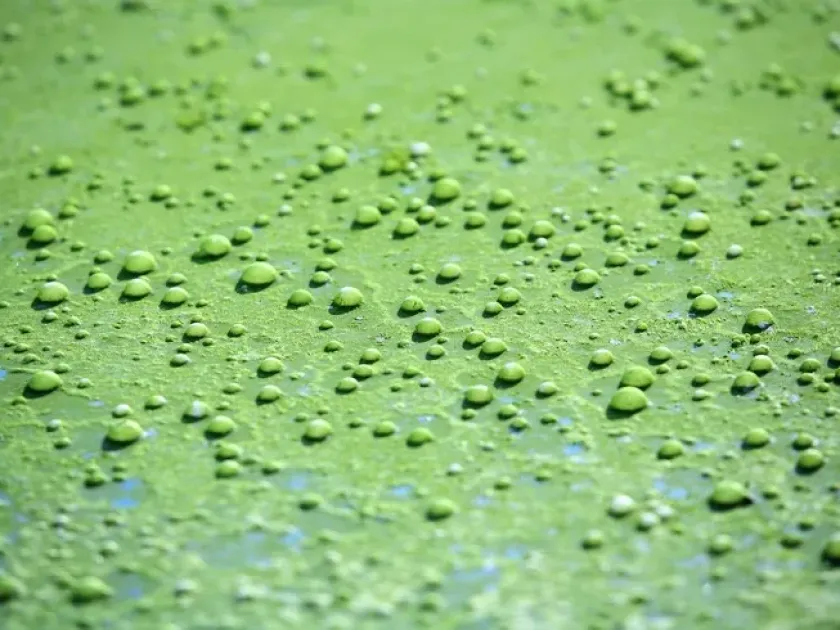
Description
Pathogen
Aphanocapsa delicatissima is a genus of unicellular cyanobacteria that forms dense colonies embedded within a mucilaginous matrix.
These microorganisms belong to the phytoplankton community and are capable of rapid proliferation in stagnant or nutrient-rich water sources.
In agronomic practices, it is considered an indicator of water quality degradation rather than a direct parasite of vascular plants.
The organism reproduces through binary fission, allowing it to colonize aquatic environments effectively under favorable temperature conditions.
Biological resilience is enhanced by its protective slime layer, making it difficult to eradicate once it establishes a strong foothold.
Conditions for development
The primary trigger for the growth of Aphanocapsa delicatissima is the enrichment of water with phosphorus and nitrogen, often due to agricultural runoff.
High water temperatures and sustained sunlight exposure are key environmental drivers that promote rapid cyanobacterial blooms.
In hydroponic systems, the lack of proper reservoir maintenance and the absence of light shielding contribute significantly to its spread.
Poor circulation and low oxygen levels in water storage tanks create an ideal habitat for these microorganisms to thrive.
The presence of organic debris in water systems can act as a catalyst for increased population density of the species.
Why it matters
The excessive growth of these algae can cause physical clogging in precision irrigation systems, such as drip lines and spray nozzles.
Algal blooms deplete essential minerals from the nutrient solution, creating competition with the cultivated crops in hydroponic setups.
The decomposition of large algal masses can produce secondary metabolites that are potentially phytotoxic to young plant roots.
Rapid changes in the pH levels of irrigation water, caused by algal activity, can destabilize the nutrient balance necessary for optimal plant growth.
The mucilaginous biofilm created by these organisms serves as a substrate for other harmful pathogens, increasing the risk of secondary infections.
Protection
Preventive strategies include the installation of UV-sterilization units, which effectively destroy the cellular integrity of the algae.
Regular maintenance, including mechanical cleaning of reservoirs and pipes, is essential to prevent the buildup of algal biofilms.
Proper water filtration systems, utilizing fine mesh screens, can significantly reduce the concentration of algae entering the irrigation network.
Farmers should implement strict nutrient management plans to prevent fertilizer runoff from reaching surface water used for irrigation.
Monitoring the chemical and biological parameters of irrigation water allows for early intervention before algal bloom becomes unmanageable.
Discussion
No discussions yet — be the first.