
Anacystis
Anacystis
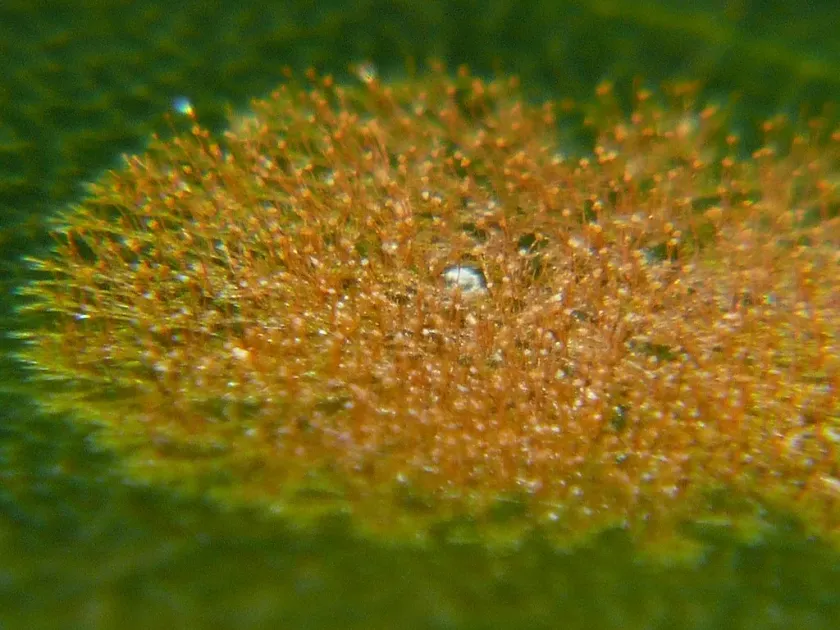
Description
Symptoms
The earliest symptom is a noticeable change in water color, typically turning into a vibrant green or deep blue-green hue.
Visual identification often includes the presence of a greasy or slimy film on the water surface in calm areas of a field or pond.
In hydroponic systems, a thin green slime on roots and plastic surfaces is a clear indicator of Anacystis presence.
A distinctive earthy or musty smell originating from the irrigation water is frequently associated with large colony blooms.
Microscopic examination shows small, spherical cells, often found in clusters, lacking organized intracellular structures.
Pathogen
Anacystis is a genus of single-celled cyanobacteria that frequently appears in aquatic environments used for agriculture and aquaculture.
These organisms are known for their rapid reproduction rate, often forming large colonies that dominate the local microflora.
In modern agricultural research, they are treated as potential biological stressors that negatively interact with cultivated species.
The genus is closely related to Microcystis and is often identified as a source of cyanotoxins in stagnant water bodies.
Its biological structure allows it to adapt to various environmental stressors, making it a persistent organism in contaminated irrigation systems.
Conditions for development
Excessive levels of nutrients, particularly nitrogen and phosphorus runoff, create ideal conditions for Anacystis proliferation.
High water temperatures, typically ranging from 20 to 30 degrees Celsius, significantly accelerate the metabolic processes of these bacteria.
Lack of water flow and poor aeration in irrigation ponds promote the establishment and expansion of these algal colonies.
Intense solar radiation is a key factor, as it drives the photosynthesis required for the rapid biomass growth of cyanobacteria.
An alkaline pH level in the water environment further favors the dominance of this genus over beneficial aquatic micro-organisms.
Why it matters
The primary threat of Anacystis is the formation of dense surface films that deprive submerged plants of necessary sunlight.
Cyanotoxins produced by these bacteria can cause significant root damage and metabolic dysfunction in sensitive crop varieties.
Sudden oxygen depletion during the decomposition of the colony can lead to the death of beneficial organisms and damage the crop.
In hydroponic setups, the presence of these bacteria causes clogging of supply lines and promotes the spread of root-rotting pathogens.
Reduced water quality negatively affects irrigation efficiency and can lead to long-term soil health issues in affected fields.
Protection
Effective management requires strict regulation of fertilizer usage to minimize nutrient runoff into irrigation water sources.
Copper-based algicides are commonly employed to control Anacystis blooms, though they must be used within safe environmental limits.
Maintaining proper water circulation and ensuring regular aeration are fundamental steps in preventing the formation of stagnant zones.
- Implement regular water quality monitoring.
- Use UV-sterilization for hydroponic irrigation systems.
- Employ biological antagonists to outcompete cyanobacteria.
Sanitation practices, including the deep cleaning of irrigation tanks and pipes, are crucial to preventing the recurring presence of this pathogen.
Discussion
No discussions yet — be the first.