
Anabaena
Anabaena
Description
Symptoms
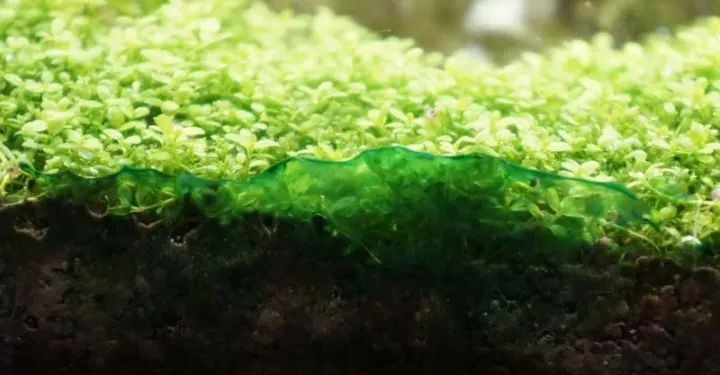
The most visual indicator of an Anabaena presence is the development of thick, slimy, blue-green or dark brown mats on the surface of soil.
Plants affected by this growth often exhibit severe chlorosis, indicating that nutrient uptake is being blocked at the root zone.
A crust layer forms on the soil surface, effectively sealing the soil and preventing essential oxygen exchange for the roots.
Seedlings and young plants frequently show signs of stunting and reduced vigor when surrounded by these algal mats.
In humid areas like greenhouses, a distinct, unpleasant, musty odor is often detected as the biomass of the algae accumulates.
Pathogen
Anabaena is a genus of filamentous cyanobacteria known for its ability to form symbiotic relationships with some plants and for its rapid growth in waterlogged environments.
In agricultural settings, these organisms are often considered problematic weeds because they colonize damp soil surfaces and nutrient-rich water sources.
They possess specialized cells called heterocysts, which allow for nitrogen fixation, and akinetes, which enable them to survive adverse environmental conditions.
Unlike true plant pathogens, they do not infect tissues but rather create an environment that inhibits normal plant growth through physical presence.
The reproduction cycle is largely vegetative, with filaments breaking apart to colonize new areas when environmental factors are favorable.
Conditions for development
Excessive soil moisture and poor drainage are the primary factors that favor the massive colonization of Anabaena.
The presence of high nutrient levels, specifically phosphorus and nitrogen runoff, creates a perfect habitat for rapid algal proliferation.
Warm temperatures combined with consistent light exposure provide the energy required for their photosynthesis-driven growth.
Compacted soils with reduced air porosity exacerbate the situation by creating a stagnant environment that favors algal dominance.
These organisms thrive in neutral to slightly alkaline pH environments, which are often found in well-limed agricultural soils.
Why it matters
The primary damage caused is the physical suffocation of plant roots due to the impervious crust layer formed on the soil surface.
The algae compete directly with crops for nutrients, effectively stripping the immediate surface layer of essential resources.
Toxic metabolites produced by certain species of Anabaena can interfere with seed germination and initial seedling development.
In aquatic crop production, like rice, these algae can create dense blankets that reduce light penetration for submerged plant parts.
The buildup of organic slime provides a moist, nutrient-rich environment that encourages the colonization of secondary fungi and bacteria.
Protection
Effective management begins with improving field drainage to prevent water stagnation and creating a less favorable habitat for the algae.
Mechanical cultivation and frequent surface soil disturbance help break up the algal crust and restore necessary soil aeration.
Reducing the application of excessive phosphorus-based fertilizers can significantly lower the rate of cyanobacterial blooms.
When infestation is severe, approved algicides can be used to mitigate the population, though caution is required for crop safety.
- Proper irrigation management
- Improving soil aeration
- Monitoring nutrient runoff
- Regular weeding and cultivation
Discussion
No discussions yet — be the first.