
Arthrobacter globiformis
Arthrobacter globiformis
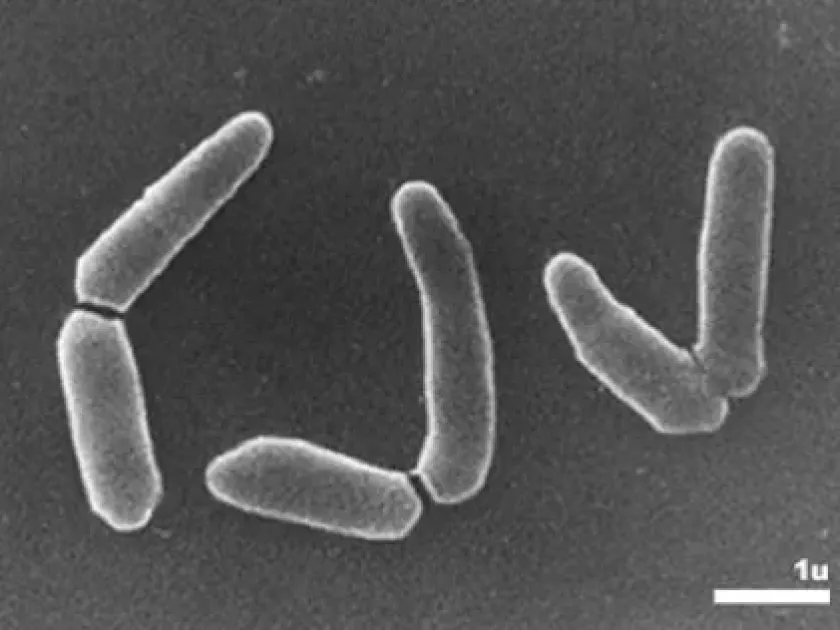
Description
Pathogen
Arthrobacter globiformis is a ubiquitous soil bacterium belonging to the Micrococcaceae family. This microorganism is well-known for its distinct pleomorphic life cycle, transitioning between rod-shaped forms during active growth and coccoid forms during stationary phases.
While primarily functioning as a soil saprophyte, Arthrobacter globiformis can act as an opportunistic pathogen when soil ecosystems are destabilized. It is highly resilient, capable of surviving harsh environmental conditions for extended periods.
The bacterium secretes a complex array of enzymes designed to degrade organic matter. In an agricultural context, these metabolic capabilities allow it to colonize the rhizosphere, where it can compete with beneficial microorganisms for nutrients and space.
Genetically, this bacterium exhibits significant adaptability, allowing it to thrive across a wide range of soil types and pH levels. This versatility makes it a persistent inhabitant of diverse agricultural fields globally.
Often, Arthrobacter globiformis acts in tandem with other phytopathogenic agents. This synergistic interaction accelerates the tissue decomposition process and significantly increases the severity of bacterial infections in susceptible plant species.
Conditions for development
Development is most vigorous in soils with neutral to slightly alkaline pH levels and adequate moisture content. The optimum temperature range for the bacterium's metabolic processes is between +20°C and +28°C.
Waterlogged soils are particularly conducive to the proliferation of Arthrobacter globiformis. Excessive moisture facilitates the movement of bacterial cells through soil pores, enabling them to migrate toward plant root systems.
The presence of large amounts of uncomposed crop residues acts as a catalyst for population growth. Poor field hygiene and failure to rotate crops allow these residues to fuel bacterial outbreaks season after season.
Mechanical damage to roots, whether caused by soil-dwelling pests like wireworms or by improper cultivation techniques, provides entry points for infection. Once inside the root tissue, the bacteria can spread systemically.
The loss of natural microbial diversity, often caused by the intensive use of synthetic fertilizers and chemical pesticides, allows aggressive species like Arthrobacter globiformis to dominate the soil microflora.
Why it matters
The primary harm caused by this bacterium involves the degradation of root tissues and the disruption of nutrient and water uptake. As the root system deteriorates, the plant is unable to sustain healthy growth, leading to wilting.
Bacterial colonization of the vascular system interferes with fluid transport, which causes characteristic chlorosis, stunted growth, and the wilting of foliage. This damage is particularly critical during the peak vegetative stage.
The production of metabolic toxins can lead to systemic stress in the plant, causing tissue necrosis and premature abscission of leaves and flowers. This reduces the photosynthetic capacity of the entire plant.
In seedlings, the infection often leads to pre-emergence or post-emergence damping-off, resulting in significant stand loss. This necessitates expensive replanting and lowers the overall field density.
Harvested produce from infected areas often suffers from poor shelf life and rapid decay in storage. This results in substantial post-harvest losses, significantly affecting the economic profitability of farming operations.
Protection
Effective management begins with rigorous crop rotation practices. Avoiding the cultivation of susceptible host plants in the same field for several years helps significantly reduce the inoculum load in the soil.
The use of biological control agents, such as beneficial Bacillus strains, is recommended. These antagonistic bacteria help outcompete pathogens and restore a healthy balance within the soil rhizosphere.
Proper soil management is essential for maintaining optimal aeration and drainage. Preventing compaction and water stagnation reduces the capacity for bacterial migration and secondary infections.
Maintaining balanced plant nutrition is key. Providing sufficient potassium strengthens plant cell walls, making them more resilient to the initial stages of bacterial penetration and colonization.
Regular field scouting allows for the early detection of symptoms. Prompt intervention, including the removal of infected plant material and the use of targeted bactericides, can help mitigate the spread of the disease.
Discussion
No discussions yet — be the first.