
Bacillosis
Bacillaceae
Description
Symptoms
The hallmark of bacillosis is the development of wet or soft rot. Infected tissues lose their structural integrity and turn into a watery, mushy consistency, which is a clear indicator of enzymatic degradation.
A distinctive symptom is the strong, unpleasant odor associated with the breakdown of plant matter. This rot often attracts secondary pests, further complicating the plant's condition.
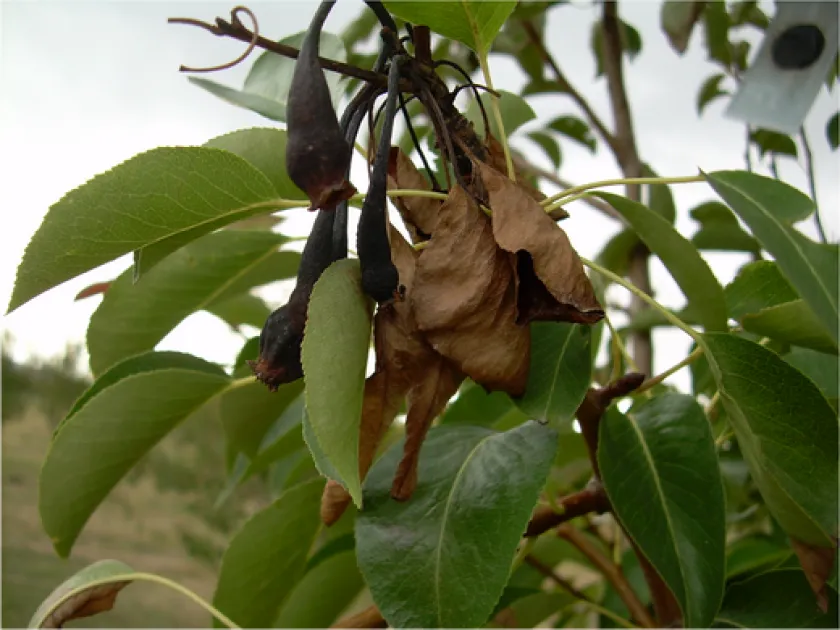
Infected areas often exhibit dark, discolored lesions that expand rapidly. On succulent organs like tubers or bulbs, surface exudates may appear as slimy droplets or patches.
Vascular wilting is common when the infection reaches the xylem vessels. The plant loses turgor pressure and collapses even if the soil moisture level is adequate, as water transport is physically blocked.
A cross-section of an infected plant organ typically reveals a complete loss of cellular architecture, turning the internal parenchyma into a soft, decomposed mass.
Pathogen
Bacillosis is a collective term for bacterial diseases affecting plants, caused by various members of the Bacillaceae family. The genus Bacillus, including species like Bacillus subtilis, is the primary agent responsible for these infections.
These bacteria are facultative anaerobes that produce durable endospores. This biological feature allows them to persist in soil and crop debris for many years, making them highly resistant to environmental stress.
The pathogenicity is driven by the secretion of enzymes such as pectinases and cellulases. These enzymes degrade the plant cell wall structure, specifically the middle lamella, causing tissue maceration.
Unlike obligate parasites, Bacillus species often behave as opportunistic pathogens. They exploit vulnerabilities in plant defenses, such as mechanical wounds or damage caused by environmental factors.
The ubiquity of these bacteria in agricultural ecosystems means that plants are constantly exposed to the risk of infection, especially in soil-borne pathogen cycles.
Conditions for development
High humidity and excessive soil moisture are the primary triggers for bacillosis. A saturated environment promotes bacterial mobility and rapid reproduction within host tissues.
Temperatures ranging from +20°C to +30°C provide an optimal environment for the metabolic activity of Bacillus species. In such warm and humid conditions, the progression of the disease is exceptionally fast.
Mechanical injuries resulting from field operations, insect feeding, or harvesting are the main entry points for the bacteria. Once the epidermis is compromised, the pathogen encounters little resistance.
Poor ventilation during storage is a critical factor for the spread of bacillosis. High humidity in storage units allows the disease to spread rapidly through contact from infected items to healthy ones.
Furthermore, agronomic practices such as excessive irrigation or high nitrogen fertilization can make plants more susceptible by encouraging soft, succulent growth that is easily colonized by bacteria.
Why it matters
Bacillosis causes severe economic losses by destroying both yield quality and quantity. It is particularly devastating to crops such as potatoes, carrots, onions, and various leafy vegetables.
In the field, the disease can cause damping-off or total plant collapse, leading to significant gaps in plant stands and reduced overall productivity for farmers.
The most significant impact occurs during storage, where a single infected unit can trigger a widespread rot outbreak. This can lead to the loss of entire batches of stored produce in a short time.
Bacillosis-affected produce is strictly non-marketable. It poses a risk not only to the grower's income but also to the safety of the food supply chain due to the potential toxicity of decomposed organic matter.
Mitigating the impact requires intensive management, as once the rot sets in, it is nearly impossible to stop without separating the infected material from the healthy stock.
Protection
Preventive measures begin with strict sanitary practices. Proper sorting and drying of harvested crops are essential to minimize moisture that facilitates bacterial growth.
Crop rotation and selecting resistant varieties are foundational strategies. It is also crucial to manage insect populations to prevent the formation of wounds that serve as infection courts.
Maintaining optimal storage conditions, including cool temperatures and low humidity, is the most effective way to prevent post-harvest outbreaks of the disease.
Disinfection of storage facilities, containers, and tools using approved bactericidal agents helps to reduce the survival of the pathogen in the agricultural environment.
- Removing and destroying infected plant debris.
- Ensuring proper soil drainage in planting fields.
- Monitoring crops for early signs of tissue decay.
- Optimizing fertilizer application to maintain robust cell walls.
Discussion
No discussions yet — be the first.