



SKU #7770
·
3 280 views
Franquette
Walnut
User rating
0 votes0% positive reviews
No ratings yet — be the first.
Tree; Growth Power
Medium-height
Fruit; Nut shape
Egg-shaped
Nut; Shell thickness
1.2-1.4 mm
Prices in stores
from4.83 €per seedling
pack from 4.83 € per 1 pcs
3 offers from 2 stores
Store offers · 3 from 2 stores
Prices are updated on loadLoading offers…
Available at: Райська Долина · Yaskrava Klumba
Aggregator catalog: prices are collected automatically from store websites, normalized by AI and converted at the current exchange rate. Before ordering, confirm the price and availability on the store's website. This block is not indexed by search engines — the data is loaded after the page opens.
About product
A time-tested French variety known for its high disease resistance and durable, easy-to-process shell.
Tree; Growth Power
Medium-height
Fruit; Nut shape
Egg-shaped
Nut; Shell thickness
1.2-1.4 mm
Description
French Classic for Your Orchard
Franquette is deservedly considered a gold standard among walnuts. Originating in France back in the 19th century, this variety laid the foundation for nut cultivation across many European regions. Its popularity is driven not only by its historical legacy but also by the predictable reliability that both commercial growers and private garden owners value.
Agronomic Features and Resilience
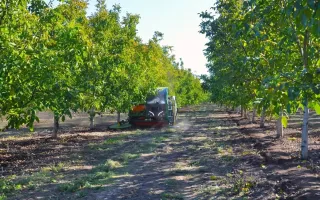
Franquette is a mid-sized tree with moderate growth vigor, which significantly simplifies crown maintenance and harvesting. One of the key characteristics that makes this variety highly sought after is its robust resistance to bacteriosis. This is a critical factor for regions with humid climates where the risk of pathogen damage is traditionally high.
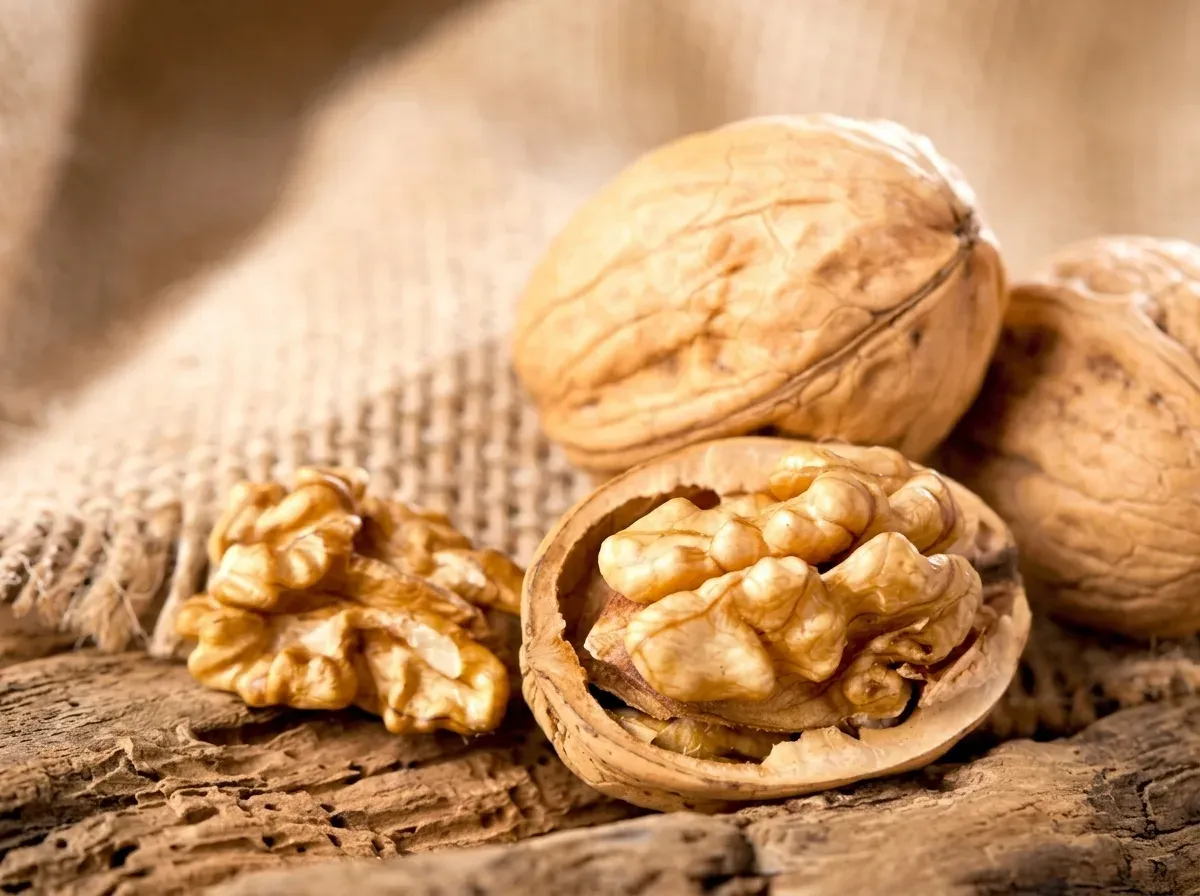
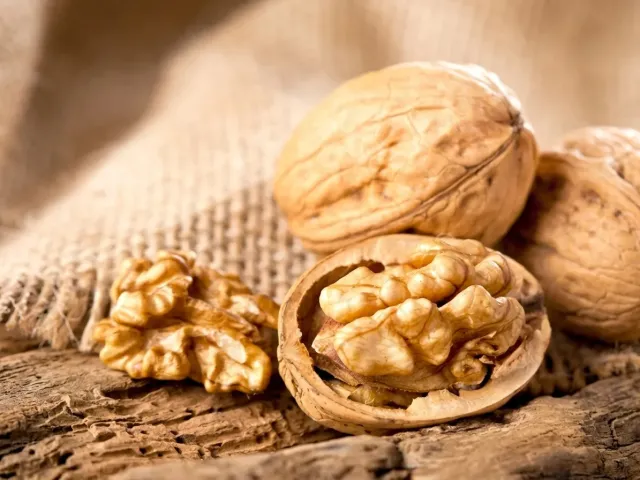
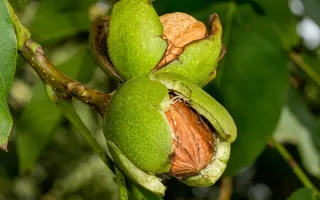
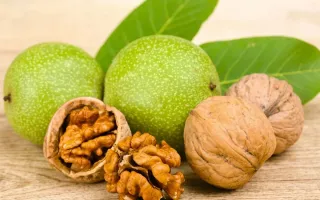
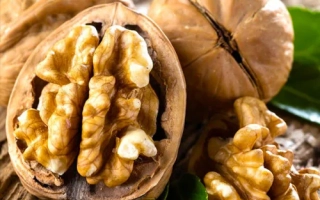
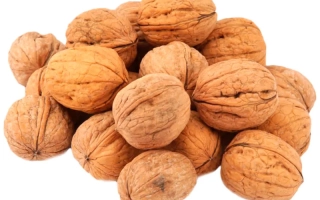
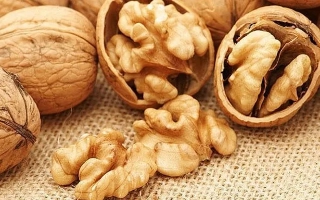
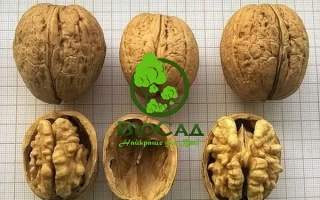
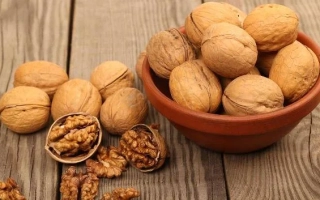
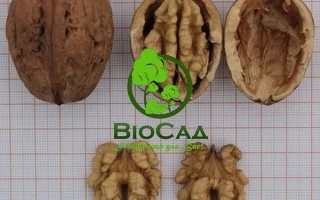
- Nut shape: Neat, egg-shaped, ideal for processing.
- Shell characteristics: A thickness of 1.2–1.4 mm ensures excellent kernel protection during transit while remaining easy to process mechanically.
Due to its phenology, Franquette is a late-blooming variety. This allows the tree to avoid spring frosts that often destroy the yields of earlier-blooming cultivars. Consistent fruit set and superior kernel quality have kept Franquette as a benchmark for selection and orchard planning for decades.
Crop & resistance
Crop
Disease resistance
Specifications
| Tree; Growth Power | |
|---|---|
| Fruit; Nut shape | |
| Nut; Shell thickness | 1.2-1.4 mm |
| Catalog | Catalog → Walnut |
Not yet комментариев. Be the first!





See also
Often considered together with this variety





Recently viewed
Products you’ve viewed on this site
Reviews · 0