
Bacillary bacterioses
Bacillales
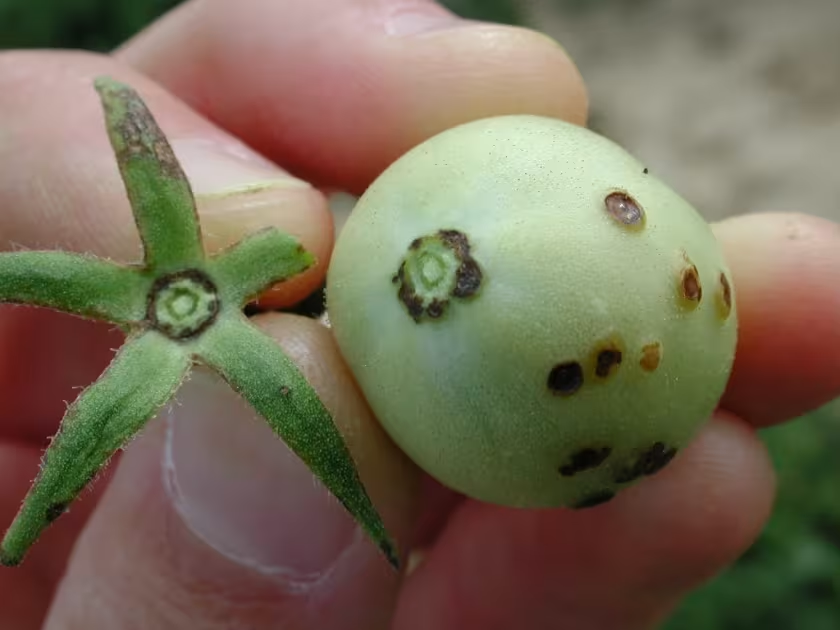
Description
Symptoms
The initial signs of infection include the appearance of oily, water-soaked spots on leaves and stems, which rapidly darken and expand into necrotic lesions.
A hallmark of bacillary bacterioses is the softening of infected tissues, often resulting in a characteristic wet rot accompanied by a pungent, foul odor.
Infected roots and succulent stems may exude a bacterial slime, which contains a high concentration of the pathogen and spreads the disease through water and tools.
Vascular infection often leads to rapid wilting of the foliage, loss of turgor pressure, and subsequent collapse of the entire plant structure.
- Water-soaked, oily appearance of spots.
- Soft tissue necrosis (wet rot).
- Development of a foul-smelling bacterial exudate.
- Systemic wilting and plant collapse.
Pathogen
The causative agents of bacillary bacterioses are Gram-positive spore-forming bacteria belonging to the Bacillales order. The most significant pathogens in agriculture are species of the Bacillus genus.
These microorganisms are characterized by their ability to form endospores, which provides them with high resistance to environmental stresses, including desiccation and freezing temperatures.
These bacteria produce enzymes capable of degrading plant tissues, which they use to obtain nutrients for survival and rapid proliferation within the host organism.
Infection occurs mainly through natural openings such as stomata or hydathodes, as well as through mechanical wounds caused by pests, hail, or agricultural operations.
The pathogens often survive in the soil as saprotrophs, waiting for suitable host conditions to initiate the parasitic phase of their life cycle.
Conditions for development
Excessive soil moisture and high relative humidity are the primary factors that facilitate the onset and spread of bacillary bacterioses in the field.
Optimal temperatures for bacterial growth generally range from +20°C to +30°C, accelerating the metabolic activity of the pathogens in humid environments.
Poor field ventilation, caused by dense planting or weeds, promotes the accumulation of humidity on plant surfaces, providing an ideal microclimate for infection.
Insect activity is a critical driver, as pests create open wounds that allow bacteria to bypass the plant’s natural physical barriers.
Inadequate sanitation of storage facilities and harvesting tools contributes to the buildup of inoculum, which can lead to rapid post-harvest losses.
Why it matters
The primary damage caused by these diseases is the destruction of seedling stands, which frequently requires replanting and reduces crop density significantly.
During storage, bacillary bacterioses can cause devastating losses, rendering large quantities of harvested vegetables and fruits completely unsellable.
Infected plants show stunted growth and reduced yields, as the bacterial activity interferes with nutrient transport and overall physiological health.
The loss of marketability and quality, such as altered texture and nutritional value, leads to significant economic losses for producers.
Secondary infections are often invited by the weakened state of the plant, further complicating management strategies and recovery processes.
Protection
Cultural practices, including proper crop rotation and the removal of plant debris, are fundamental to reducing the initial pathogen pressure in the soil.
The use of certified disease-free seeds and the implementation of seed treatments are effective preventive measures against early infection stages.
Managing pest populations is crucial to prevent the mechanical damage that facilitates bacterial entry into plant tissues.
Ensuring proper irrigation management and optimizing plant spacing can reduce the humidity levels that favor bacterial proliferation.
In cases of outbreak, the application of copper-based bactericides or biological control agents can help suppress the spread of the disease.
Discussion
No discussions yet — be the first.