
Bacillus thuringiensis
Bacillus thuringiensis
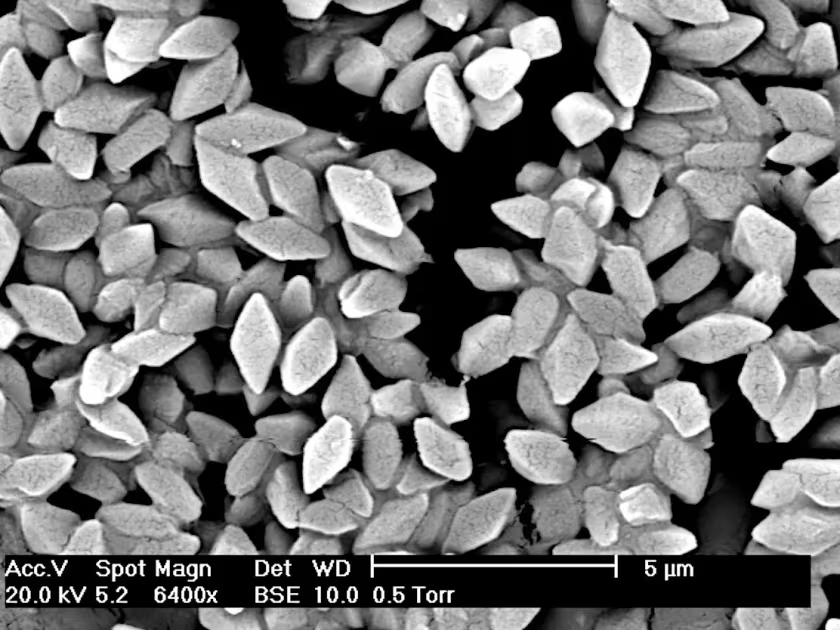
Description
Pathogen
It is scientifically essential to state that Bacillus thuringiensis is not a plant disease pathogen. It is a naturally occurring, gram-positive soil bacterium widely utilized in agriculture as a highly effective biological insecticide.
During its life cycle, this bacterium produces specialized protein crystals, known as Cry-toxins or delta-endotoxins. These proteins possess highly selective toxic properties against specific insect larvae.
Unlike harmful plant pathogens, Bacillus thuringiensis is non-pathogenic to plants, humans, and domestic animals. Its activity is restricted to the midgut of susceptible target insects.
The mode of action initiates when the larva ingests the bacterial spores and crystals. Once in the alkaline environment of the insect's gut, the toxin is activated, resulting in the cessation of feeding and subsequent death of the pest.
This natural mechanism makes it a cornerstone of integrated pest management (IPM) and organic agricultural practices globally.
Why it matters
While the bacterium itself is beneficial, its role in agriculture is to mitigate the damage caused by voracious insect pests. Without proper control, these pests can lead to massive yield losses in various field and vegetable crops.
Targeted pests include various lepidopteran caterpillars, such as cabbage loopers, corn earworms, and tomato hornworms, as well as specific beetle larvae that feed on leaf tissue.
Feeding damage by these insects significantly reduces the leaf surface area, thereby impeding the plant's ability to photosynthesize and sustain healthy growth.
Furthermore, insect wounds serve as primary entry points for opportunistic fungal and bacterial pathogens, which can then proceed to infect the weakened host plant.
Using Bacillus thuringiensis-based products helps maintain crop health, ensures harvest quantity, and preserves the safety of produce for end consumers.
Protection
The application of biological insecticides based on this bacterium requires strategic timing. Treatment should target young larvae, as they are the most susceptible to the toxins produced by the bacteria.
Optimal conditions for application include warm weather, as the metabolic activity of the larvae increases, leading to more rapid ingestion of the bacterial solution.
- Apply during early morning or late evening to minimize UV degradation of the spores.
- Ensure thorough coverage of both the adaxial and abaxial leaf surfaces for better contact.
- Use appropriate surfactants to enhance the retention of the product on foliage.
- Monitor pest population levels regularly to optimize treatment frequency.
Proactive monitoring is vital. By identifying pest outbreaks early, farmers can effectively deploy biological interventions, thereby reducing the need for broad-spectrum chemical pesticides.
Incorporating these bacterial agents into crop management programs supports sustainable agriculture by reducing the overall chemical footprint while effectively managing damaging pest populations.
Discussion
No discussions yet — be the first.