
Bacillus amyloliquefaciens
Bacillus amyloliquefaciens
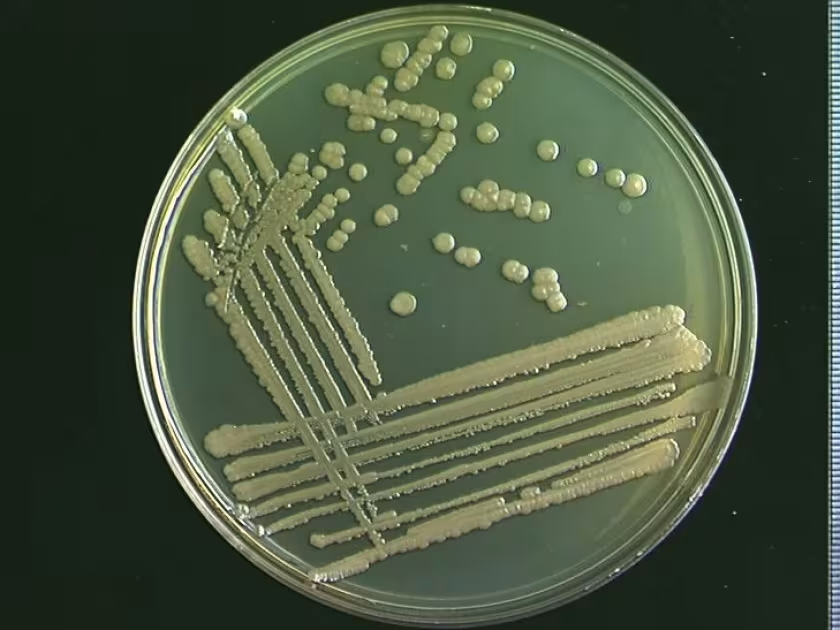
Description
Pathogen
It is important to clarify that Bacillus amyloliquefaciens is not a plant pathogen. It is a highly beneficial soil bacterium, widely utilized in sustainable agriculture as a powerful bio-control agent against various plant diseases.
This bacterium acts as a strong antagonist to plant pathogens, effectively colonizing the rhizosphere and outcompeting harmful fungi and bacteria for space and essential nutrients.
Its biological mechanism involves the production of antimicrobial compounds, specifically lipopeptides like surfactin, iturin, and fengycin, which destroy the cell walls of harmful pathogens.
The ability of this bacterium to form robust endospores ensures high survival rates under harsh environmental conditions, such as temperature fluctuations and low humidity, making it a reliable tool for field application.
Modern agronomy leverages Bacillus amyloliquefaciens to create environmentally friendly biopesticides that significantly reduce the reliance on synthetic chemicals in large-scale crop production.
Conditions for development
For optimal growth and colonization, Bacillus amyloliquefaciens requires moderate temperatures, ideally between +20°C and +30°C, and adequate soil moisture levels to maintain metabolic activity.
The bacterium thrives in the rhizosphere, utilizing root exudates such as organic acids and sugars released by plants as a primary food source for population growth.
The soil pH is a significant factor; the bacterium performs best in neutral to slightly acidic environments, which is typical for the majority of productive agricultural soils.
High organic matter content in the soil promotes the development of stable bacterial colonies due to the organism's high enzymatic activity and its ability to break down complex molecules.
Field application is most effective when performed during the early growth stages or via seed treatment, ensuring the bacterium establishes its presence before potential pathogens attack.
Why it matters
There is no evidence in scientific literature that Bacillus amyloliquefaciens acts as a pathogen towards agricultural crops, animals, or human beings.
The bacterium is non-phytotoxic and does not suppress plant growth, making it a safe alternative to conventional synthetic pesticides that may cause damage or stress to treated plants.
Potential risks are limited to the use of poor-quality or contaminated products that may contain foreign organisms if the production standards are not strictly maintained by the manufacturer.
Studies have shown that this bacterium is safe for beneficial insects, including pollinators like honeybees, making it an ideal choice for ecologically responsible farming.
Consequently, the use of this bacterium is considered a safe and sustainable practice that contributes to the long-term health and productivity of the agricultural ecosystem.
Protection
Methods of protection include seed inoculation, which provides an immediate defense barrier around the germinating seed, protecting it from early-season soil-borne infections.
Foliar spraying during the growing season is effective in controlling leaf and stem pathogens, such as powdery mildew or gray mold, by creating a protective biofilm on the plant surface.
- Inoculation of seeds for early-stage protection against damping-off.
- Application via irrigation systems for continuous rhizosphere maintenance.
- Integrated use with organic amendments to boost bacterial proliferation.
Effective management requires regular scouting to apply bio-fungicides proactively, ensuring that the beneficial bacterial population is active before significant disease pressure occurs.
Implementing a comprehensive biological strategy using Bacillus amyloliquefaciens enhances the plant's natural immune system and results in higher quality crop yields and better shelf life.
Discussion
No discussions yet — be the first.